Rock Hill Farm

Why it's listed
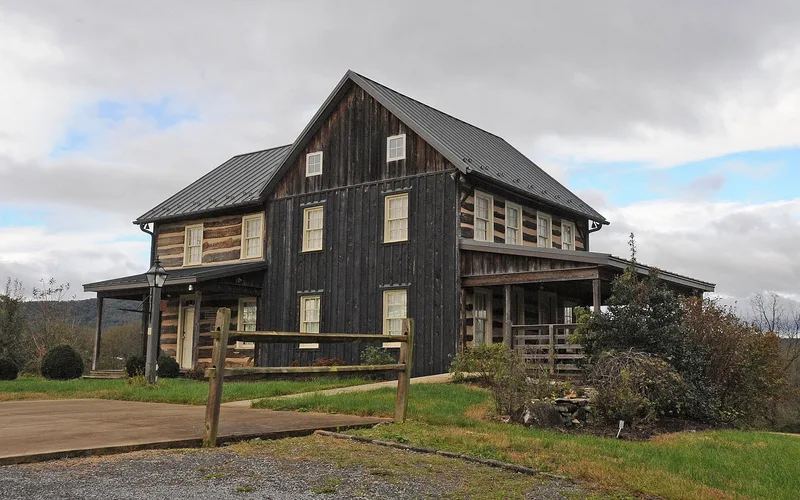
Rock Hill Farm lies about a mile southwest of Welsh Run in Montgomery Township, Franklin County, on roughly 105 acres of limestone fields, pastures and woodlots. Its domestic buildings cluster along Welsh Run and the west side of Bain Road, and the farm was a single unit from 1740 to 1880. The core of the district is the Davis-Chambers house, whose oldest section is a stuccoed log structure built by the Davis family before 1793. Robert Chambers enlarged and refined it in the 1790s with a Georgian-influenced plan, raised panel doors and beaded board ceilings. The Eliab Negley house, built about 1810, and a brick house built by Joseph Negley, from 1830 to 1860, illustrate German building traditions. The farm is significant for its agricultural development, its rare 18th-century construction and an archaeological earth fast building, which documents early settlement patterns in the Cumberland Valley.
Machine-generated summary. This summary was generated by a language model from the official nomination document and has not been reviewed line by line by an editor. It may contain errors. Check the source document before relying on any detail. Source: nomination document (PDF) · catalog entry. Generated October 2026 (model claude-haiku-5-5, prompt v1.1-2026-10-29).
| Period of significance | ca. 1735 to 1948 |
|---|---|
| Styles | Vernacular, German & Greek Revival influence |
| Areas of significance | Agriculture, Architecture, Historic - Non-Aboriginal |
| Acreage | 149.9 |
| Boundary source | NPS cultural-resource GIS polygon |
| Full listing page | Rock Hill Farm (property record) |
What listing means for this property
This is a historic district. Buildings within its boundary are either contributing (they add to the district's significance) or non-contributing. Owners of contributing income-producing buildings can claim the 20% federal rehabilitation tax credit; homeowners should look at state credits. National Register districts impose no design review by themselves; a local historic district ordinance, if one exists, does (the difference explained).
General information, not legal or tax advice. Rules change; confirm with your State Historic Preservation Office or a qualified adviser.