Pusey-Crozier Mill Historic District

Why it's listed
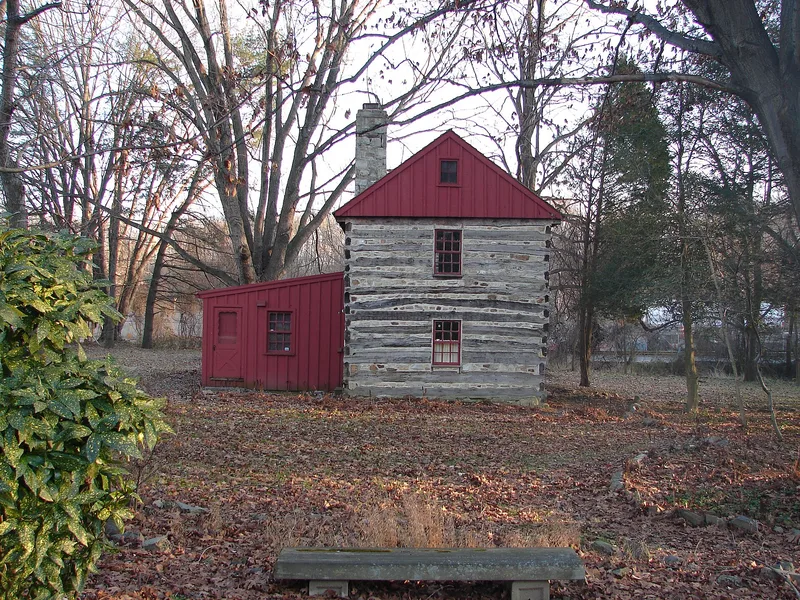
Beside Chester Creek in Upland, Pennsylvania, the Pusey-Crozier Mill District covers 10.5 acres of the early Pusey Plantation and mill site. Caleb Pusey, sent from England in 1682 by the English Quakers, ran the first grist and sawmill here, with prefabricated parts brought across the Atlantic. The mill was later operated by partners including James Logan and Isaac Morris, and was rebuilt more than once after floods and other losses. John Price Crozer bought the mills in 1845 and built a cotton mill and workers' housing as the core of an industrial community of about 3,000 people. The district's buildings include the Pusey House, a stone schoolhouse dating from 1849 that was later converted into a double dwelling for mill hands, four small frame workers' houses, and the Pennock Log House, moved to the site from Springfield Township. The district is listed for its strong ties to colonial settlement and early industrial life in Pennsylvania.
Machine-generated summary. This summary was generated by a language model from the official nomination document and has not been reviewed line by line by an editor. It may contain errors. Check the source document before relying on any detail. Source: nomination document (PDF) · catalog entry. Generated October 2026 (model claude-haiku-5-5, prompt v1.1-2026-10-29).
| Period of significance | 1683-1849 |
|---|---|
| Areas of significance | Industry, Architecture |
| Acreage | 10.5 |
| Boundary source | NPS cultural-resource GIS polygon |
| Full listing page | Pusey-Crozier Mill Historic District (property record) |
What listing means for this property
This is a historic district. Buildings within its boundary are either contributing (they add to the district's significance) or non-contributing. Owners of contributing income-producing buildings can claim the 20% federal rehabilitation tax credit; homeowners should look at state credits. National Register districts impose no design review by themselves; a local historic district ordinance, if one exists, does (the difference explained).
General information, not legal or tax advice. Rules change; confirm with your State Historic Preservation Office or a qualified adviser.