Pocono Manor Historic District

Why it's listed
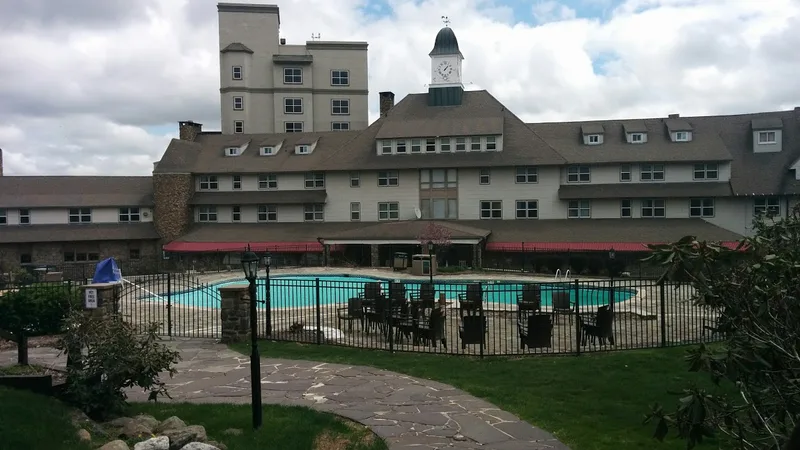
Pocono Manor is a planned mountain resort on a plateau in Monroe County, Pennsylvania, developed from 1902 by the Pocono Manor Association, a group of Quaker shareholders from the Philadelphia area. Walter Smedley designed the original Inn, built of native sandstone and wood, and later wings and a nine-story mid-rise block added by 1926. Around the Inn, some 61 cottages were built before 1946 on lots laid out by S. E. Fairchild, many in Shingle, Stick and Craftsman styles with stone chimneys and weatherboarding. Recreational features include a 1912 golf course, a dam creating Lake Minausin and a winter inn that made the site a year-round hostelry. The district is significant for its early planned resort use and its cohesive architecture of the early 20th century. Most cottages and Inn sections built before 1946 are counted as contributing, while later construction is not.
Machine-generated summary. This summary was generated by a language model from the official nomination document and has not been reviewed line by line by an editor. It may contain errors. Check the source document before relying on any detail. Source: nomination document (PDF) · catalog entry. Generated October 2026 (model claude-haiku-5-5, prompt v1.1-2026-10-29).
| Period of significance | 1902-1946 |
|---|---|
| Styles | Shingle, Stick, Craftsman, Romanesque Revival, Colonial Revival |
| Areas of significance | Architecture, Entertainment/Recreation |
| Acreage | 2500 |
| Boundary source | NPS cultural-resource GIS polygon |
| Full listing page | Pocono Manor Historic District (property record) |
What listing means for this property
This is a historic district. Buildings within its boundary are either contributing (they add to the district's significance) or non-contributing. Owners of contributing income-producing buildings can claim the 20% federal rehabilitation tax credit; homeowners should look at state credits. National Register districts impose no design review by themselves; a local historic district ordinance, if one exists, does (the difference explained).
General information, not legal or tax advice. Rules change; confirm with your State Historic Preservation Office or a qualified adviser.