Pleasureville Historic Historic

Why it's listed
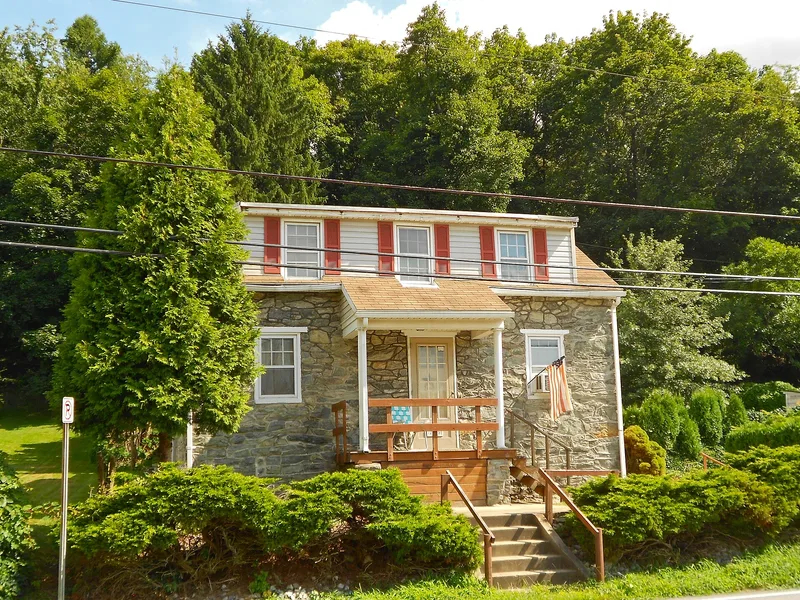
Pleasureville is a small village of frame dwellings, outbuildings and a few public buildings along North Sherman Street, northeast of York. It began as a crossroads settlement in the second quarter of the 19th century, when Diehl's Mill Road served farms between York and New Holland. Emanuel G. Keller opened a general store in 1859 that he operated into the 20th century. A two-story school of about 1870 and a meeting hall of about 1875 gave the village its educational and social functions, and the United Brethren congregation built a church in 1859. By 1886 the village had 63 houses, three stores and several cottage industries, including cigar making. The district is significant for its commercial and social role for the surrounding farms, and for its plain vernacular buildings, which retain their late 19th and early 20th century layout and scale. Automobiles ended its commercial role by the 1920s, and suburban growth surrounds it today.
Machine-generated summary. This summary was generated by a language model from the official nomination document and has not been reviewed line by line by an editor. It may contain errors. Check the source document before relying on any detail. Source: nomination document (PDF) · catalog entry. Generated October 2026 (model claude-haiku-5-5, prompt v1.1-2026-10-29).
| Period of significance | C. 1825 to C. 1940 |
|---|---|
| Styles | Pennsylvania German Vernacular, Italianate, Colonial Revival, Greek Revival, Gothic Revival, American Four-Square, Bungalow; many dwellings lack style |
| Areas of significance | Commerce, Architecture |
| Acreage | 35.1 |
| Boundary source | NPS cultural-resource GIS polygon |
| Full listing page | Pleasureville Historic Historic (property record) |
What listing means for this property
This is a historic district. Buildings within its boundary are either contributing (they add to the district's significance) or non-contributing. Owners of contributing income-producing buildings can claim the 20% federal rehabilitation tax credit; homeowners should look at state credits. National Register districts impose no design review by themselves; a local historic district ordinance, if one exists, does (the difference explained).
General information, not legal or tax advice. Rules change; confirm with your State Historic Preservation Office or a qualified adviser.