Peale, Charles Willson, House

Why it's listed
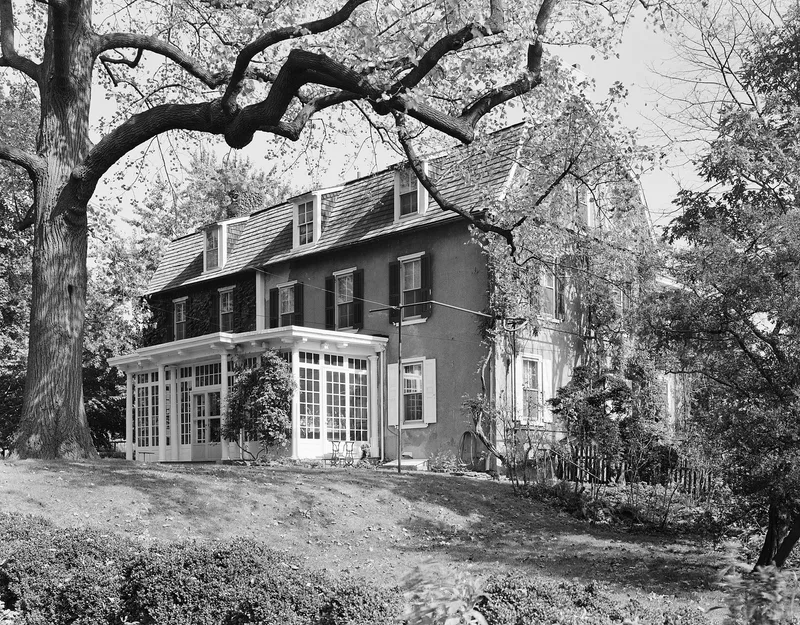
Belfield is a farmhouse and former country estate at 2100 Clarkson Avenue in Germantown, Philadelphia, built around the middle of the eighteenth century. The painter Charles Willson Peale bought the property in 1810, when it was a farm of about 104 acres, and lived there until 1820. He made changes to the house, and a nineteenth-century owner added a story. Peale developed a formal garden and a textile mill on the land, and the garden remnants, root cellars, fishpond and a portion of a greenhouse survive. Peale was the leading American painter of his day, known for miniatures and portraits, including several likenesses of George Washington painted at different stages of the general's life. He also painted portraits of Revolutionary figures and paid close attention to military uniforms, which gives his work historical value. Peale's varied activities, including his museum and his role in founding the Pennsylvania Academy of the Fine Arts, add to the site's importance. The surviving farm buildings and grounds are now a private residence on roughly eight acres.
Machine-generated summary. This summary was generated by a language model from the official nomination document and has not been reviewed line by line by an editor. It may contain errors. Check the source document before relying on any detail. Source: nomination document (PDF) · catalog entry. Generated October 2026 (model claude-haiku-5-5, prompt v1.1-2026-10-29).
| Period of significance | 1810-1820 |
|---|---|
| Areas of significance | Art |
| Acreage | 8.4 |
| Boundary source | NPS cultural-resource GIS polygon |
| Full listing page | Peale, Charles Willson, House (property record) |
What listing means for this property
This is a historic district. Buildings within its boundary are either contributing (they add to the district's significance) or non-contributing. Owners of contributing income-producing buildings can claim the 20% federal rehabilitation tax credit; homeowners should look at state credits. National Register districts impose no design review by themselves; a local historic district ordinance, if one exists, does (the difference explained).
General information, not legal or tax advice. Rules change; confirm with your State Historic Preservation Office or a qualified adviser.