Old Downtown Harrisburg Commercial Historic District

Why it's listed
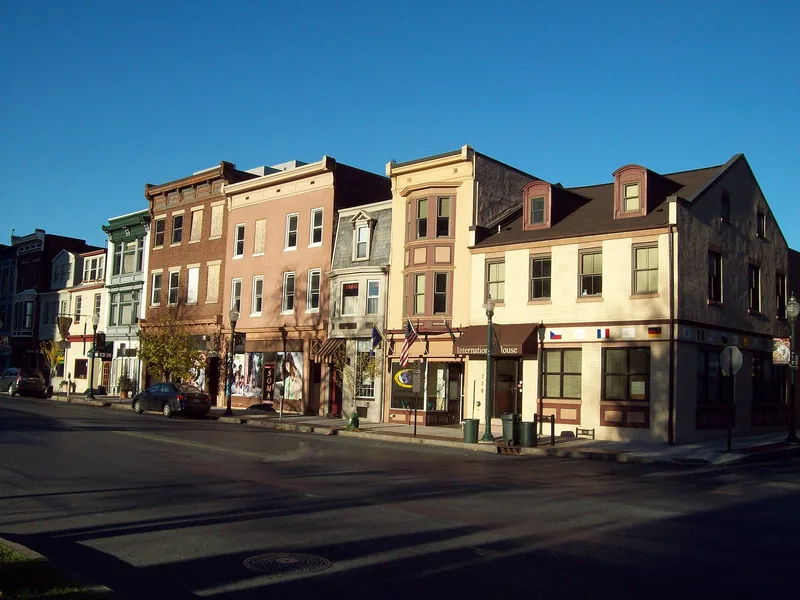
Facing South Third Street and the north side of Chestnut Street in downtown Harrisburg, this district is built mainly of brick in the latter 19th and early 20th centuries, with most buildings three stories high and structurally joined. Its styling draws on the late Victorian, Mediterranean, Italianate, and Eastlake modes, with bay windows, bracketed cornices in wood and tin, and corbelled brick cornices. The area originated in early 19th century townhouse rows laid out as part of the borough of Harrisburg. After a fire on the west side of South Third Street in 1873, a six-story printing office building was erected in 1875, and low-scaled commercial buildings followed. Lots kept their original frontage widths, so the streetscape remains intimate and varied. Around the 1890s and early 1900s, the buildings housed professional offices and a range of shops, and the district is regarded as the last intact piece of old downtown Harrisburg.
Machine-generated summary. This summary was generated by a language model from the official nomination document and has not been reviewed line by line by an editor. It may contain errors. Check the source document before relying on any detail. Source: nomination document (PDF) · catalog entry. Generated October 2026 (model claude-haiku-5-5, prompt v1.1-2026-10-29).
| Styles | Late Victorian, Mediterranean, Italianate, and Eastlake styling |
|---|---|
| Areas of significance | Commerce, Architecture |
| Acreage | 2.3 |
| Boundary source | NPS cultural-resource GIS polygon |
| Full listing page | Old Downtown Harrisburg Commercial Historic District (property record) |
What listing means for this property
This is a historic district. Buildings within its boundary are either contributing (they add to the district's significance) or non-contributing. Owners of contributing income-producing buildings can claim the 20% federal rehabilitation tax credit; homeowners should look at state credits. National Register districts impose no design review by themselves; a local historic district ordinance, if one exists, does (the difference explained).
General information, not legal or tax advice. Rules change; confirm with your State Historic Preservation Office or a qualified adviser.