Oil City North Side Historic District

Why it's listed
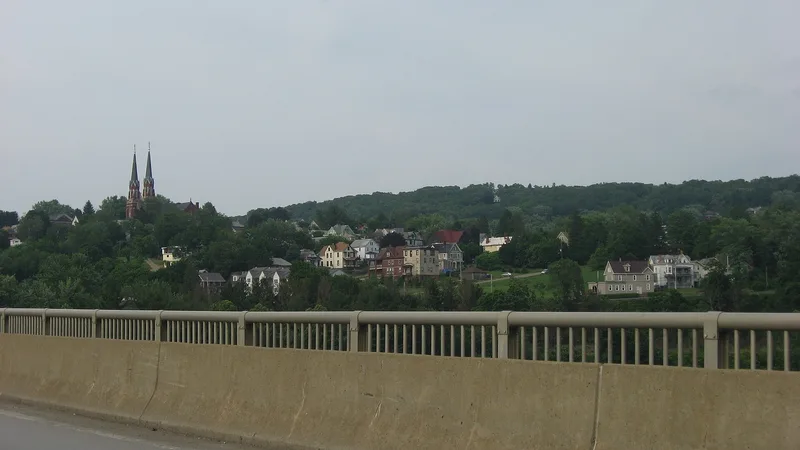
Laid out on a hillside above Oil Creek in Oil City, Venango County, this residential neighborhood of about 250 acres grew from the early 1870s through the 1930s, with most construction between about 1880 and the 1930s. Its 1,214 resources include Italianate, Second Empire, Queen Anne, Gothic Revival, Colonial Revival and Bungalow houses alongside many modest gabled cottages built without a formal style. Most residents were workers in the oil industry, from rig and refinery hands to corporate managers, so the housing shows working-class and wealthier households side by side. Polish immigrants settled the Palace Hill area from the late 1880s, and their parish church, built in 1907 in Romanesque Revival style, anchors the community. The district is significant for its connection to the petroleum economy and for its concentrated, cohesive collection of residential architecture from the boom years onward.
Machine-generated summary. This summary was generated by a language model from the official nomination document and has not been reviewed line by line by an editor. It may contain errors. Check the source document before relying on any detail. Source: nomination document (PDF) · catalog entry. Generated October 2026 (model claude-haiku-5-5, prompt v1.1-2026-10-29).
| Period of significance | c. 1870-1945 |
|---|---|
| Styles | Italianate, French Second Empire, Queen Anne, Gothic Revival, Late Gothic Revival, Romanesque Revival, Neo-Classical, Colonial Revival, Dutch Colonial Revival, Bungalow/Craftsman, American Foursquare |
| Areas of significance | Architecture, Industry, European |
| Acreage | 250 |
| Boundary source | NPS cultural-resource GIS polygon |
| Full listing page | Oil City North Side Historic District (property record) |
What listing means for this property
This is a historic district. Buildings within its boundary are either contributing (they add to the district's significance) or non-contributing. Owners of contributing income-producing buildings can claim the 20% federal rehabilitation tax credit; homeowners should look at state credits. National Register districts impose no design review by themselves; a local historic district ordinance, if one exists, does (the difference explained).
General information, not legal or tax advice. Rules change; confirm with your State Historic Preservation Office or a qualified adviser.