Newville Historic District

Why it's listed
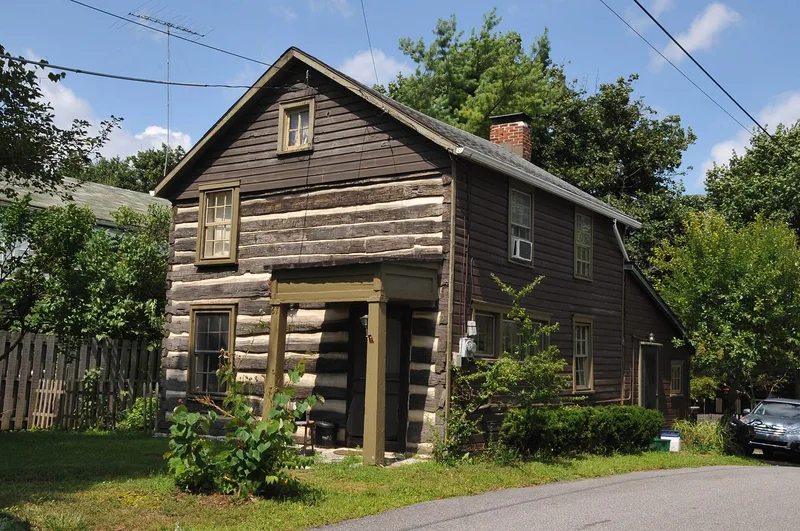
Newville is a small borough on the western bank of Big Spring Creek, about 12 miles west of Carlisle, where a village plat was laid out around Big Spring Presbyterian Church in the late 18th century. The district's 529 resources include 414 contributing buildings, mostly 19th-century houses, along with seven churches, two former schoolhouses, three social halls, two former fire stations and 17 commercial buildings. Its earliest surviving houses are log dwellings from about 1795 to 1798, though all have been altered. Stone houses of the 1820s to 1830s, such as the five-bay Georgian house at 51 East Main Street built around 1830 with quoins and flat arches, show the town's growth. The Cumberland Valley Railroad, built in 1837, shaped later development, and Newville grew into a regional center for commerce, education and religion. The district is significant for the range and survival of its architecture from the 1790s through about 1950.
Machine-generated summary. This summary was generated by a language model from the official nomination document and has not been reviewed line by line by an editor. It may contain errors. Check the source document before relying on any detail. Source: nomination document (PDF) · catalog entry. Generated October 2026 (model claude-haiku-5-5, prompt v1.1-2026-10-29).
| Period of significance | 1790-c. 1950 |
|---|---|
| Styles | Italianate, Gothic Revival, Greek Revival, Queen Anne, Second Empire, Colonial Revival, Federal, Georgian, Craftsman Bungalow, American Foursquare |
| Areas of significance | Architecture |
| Acreage | 86.6 |
| Boundary source | NPS cultural-resource GIS polygon |
| Full listing page | Newville Historic District (property record) |
What listing means for this property
This is a historic district. Buildings within its boundary are either contributing (they add to the district's significance) or non-contributing. Owners of contributing income-producing buildings can claim the 20% federal rehabilitation tax credit; homeowners should look at state credits. National Register districts impose no design review by themselves; a local historic district ordinance, if one exists, does (the difference explained).
General information, not legal or tax advice. Rules change; confirm with your State Historic Preservation Office or a qualified adviser.