New Geneva Historic District

Why it's listed
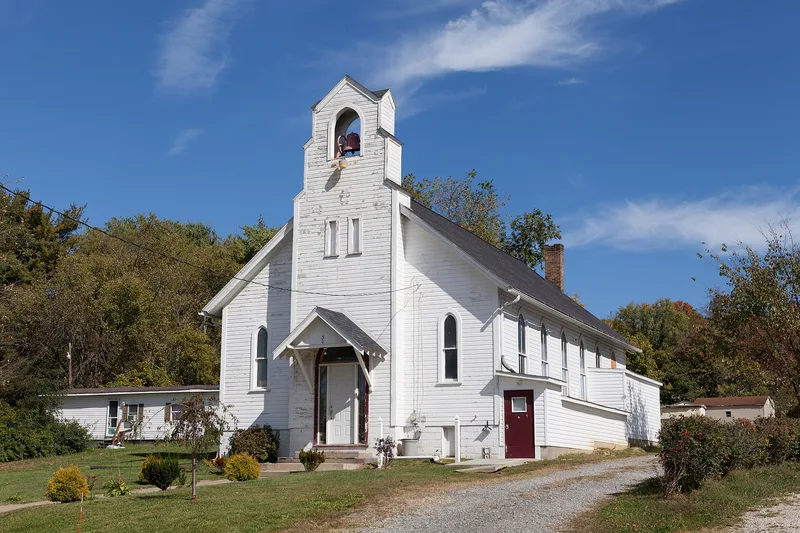
Built on a bend of the Monongahela River in Fayette County, Pennsylvania, New Geneva was laid out in 1797 by Albert Gallatin as a river port and manufacturing town. Its streets climb from the river to the bluff, and its 35 buildings include frame, brick, stone, and log houses, two churches, and a schoolhouse. Early residences show a two-room center chimney plan, and the stone Wilson House, dating to about 1800, has some of the finest Federal detailing in the area. Greek Revival and Queen Anne houses from the mid-nineteenth and late nineteenth centuries also stand in the district. The town's economy moved from glass and gun making to a pottery industry centred on local stoneware clay beds. Steamboat traffic on the river, and the ferry to Greensboro, linked it to the wider region until the ferry closed in the early 1950s. The district is significant for its architecture and for its record of the ups and downs of an upper Monongahela port.
Machine-generated summary. This summary was generated by a language model from the official nomination document and has not been reviewed line by line by an editor. It may contain errors. Check the source document before relying on any detail. Source: nomination document (PDF) · catalog entry. Generated October 2026 (model claude-haiku-5-5, prompt v1.1-2026-10-29).
| Period of significance | 1791-c.1930 |
|---|---|
| Styles | Federal; Queen Anne |
| Areas of significance | Industry, Commerce, Transportation, Architecture |
| Acreage | 16 |
| Boundary source | NPS cultural-resource GIS polygon |
| Full listing page | New Geneva Historic District (property record) |
What listing means for this property
This is a historic district. Buildings within its boundary are either contributing (they add to the district's significance) or non-contributing. Owners of contributing income-producing buildings can claim the 20% federal rehabilitation tax credit; homeowners should look at state credits. National Register districts impose no design review by themselves; a local historic district ordinance, if one exists, does (the difference explained).
General information, not legal or tax advice. Rules change; confirm with your State Historic Preservation Office or a qualified adviser.