Monroe Furnace

Why it's listed
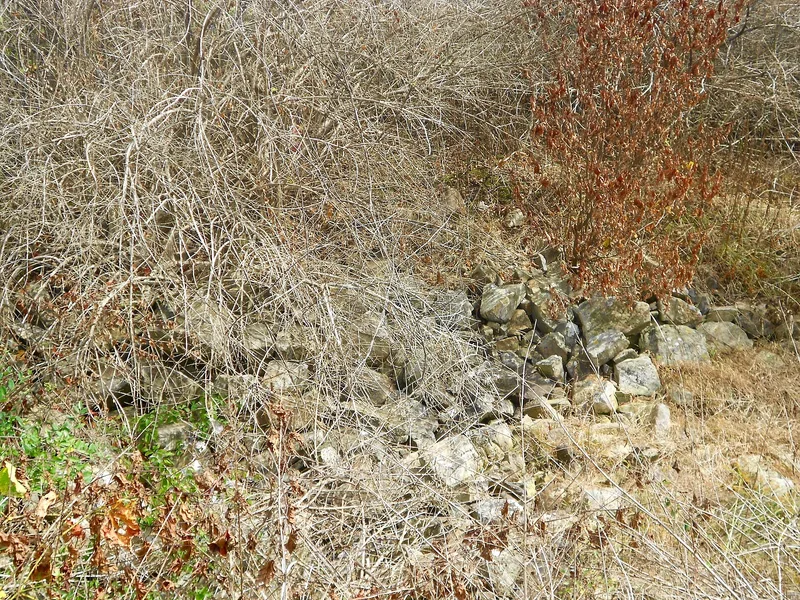
Monroe Furnace is a charcoal iron plantation in McAlevys Fort, Huntingdon County, Pennsylvania, where a blast furnace was established in 1846-47 by General James Irvin, a prominent Centre County ironmaster. The furnace stack is about 20 feet high and 30 feet square at the base, built of cut native sandstone with large corner stones. Its three arches include a 14-foot casting arch on the east and a 12-foot tuyere arch on the north. Foundations of fourteen workers' houses lie along the road to Mooresville. In 1850 Irvin employed 50 men and produced 958 tons of pig iron. Economic depression in the mid-1850s forced his retirement in 1857. George W. Johnston & Co. of Boalsburg later bought the works around 1855 and ran a stove foundry there. The site is regarded as significant for its evidence of a short-lived, sporadic iron operation and the layout of its workers' housing.
Machine-generated summary. This summary was generated by a language model from the official nomination document and has not been reviewed line by line by an editor. It may contain errors. Check the source document before relying on any detail. Source: nomination document (PDF) · catalog entry. Generated October 2026 (model claude-haiku-5-5, prompt v1.1-2026-10-29).
| Period of significance | 1847-1864 |
|---|---|
| Areas of significance | Industry, Historic - Non-Aboriginal |
| Acreage | 3 |
| Boundary source | NPS cultural-resource GIS polygon |
| Full listing page | Monroe Furnace (property record) |
What listing means for this property
This is a historic district. Buildings within its boundary are either contributing (they add to the district's significance) or non-contributing. Owners of contributing income-producing buildings can claim the 20% federal rehabilitation tax credit; homeowners should look at state credits. National Register districts impose no design review by themselves; a local historic district ordinance, if one exists, does (the difference explained).
General information, not legal or tax advice. Rules change; confirm with your State Historic Preservation Office or a qualified adviser.