Mifflinburg Historic District

Why it's listed
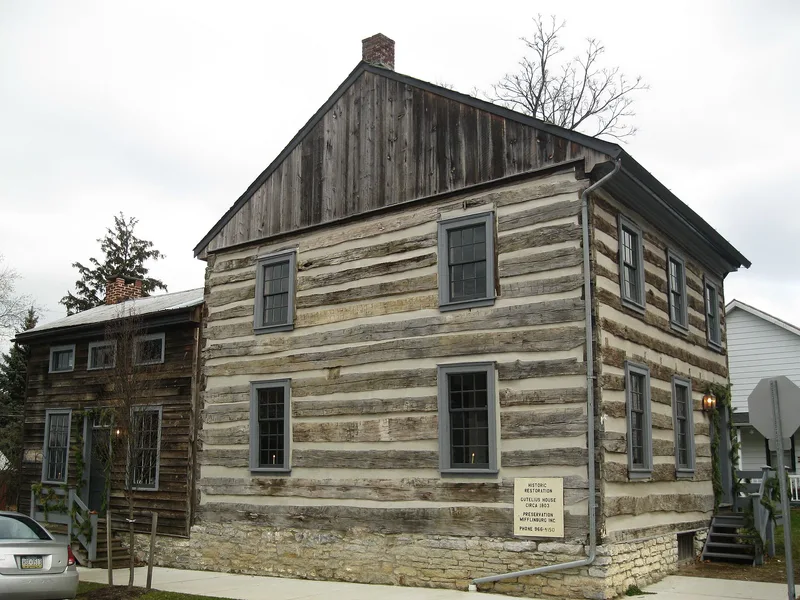
Mifflinburg, a borough in Union County, Pennsylvania, laid out in 1792 by Elias Youngman, contains a historic district built mainly during the buggy era that began in the 1860s. The district follows Chestnut, Market and Green streets and includes two hotels from the mid-19th century, an 1880s row of business blocks with brick embellishment, and houses in Federal, Italianate and Queen Anne styles. Local builders Joseph Boob and Enoch Miller are named as principal builders of many brick houses, which feature corner quoin-like brickwork. By 1881 more than 30 buggy works were operating in the borough, and the town was known as the buggy capital of Pennsylvania. The buildings associated with this industry, including the Heiss Buggy Works and Gutelius family shops, give the district its importance as a record of a specialised manufacturing community.
Machine-generated summary. This summary was generated by a language model from the official nomination document and has not been reviewed line by line by an editor. It may contain errors. Check the source document before relying on any detail. Source: nomination document (PDF) · catalog entry. Generated October 2026 (model claude-haiku-5-5, prompt v1.1-2026-10-29).
| Period of significance | 1850-1899 |
|---|---|
| Styles | Federal; Italianate; Queen Anne; Victorian |
| Areas of significance | Industry, Commerce, Transportation, Architecture |
| Acreage | 55 |
| Boundary source | NPS cultural-resource GIS polygon |
| Full listing page | Mifflinburg Historic District (property record) |
What listing means for this property
This is a historic district. Buildings within its boundary are either contributing (they add to the district's significance) or non-contributing. Owners of contributing income-producing buildings can claim the 20% federal rehabilitation tax credit; homeowners should look at state credits. National Register districts impose no design review by themselves; a local historic district ordinance, if one exists, does (the difference explained).
General information, not legal or tax advice. Rules change; confirm with your State Historic Preservation Office or a qualified adviser.