Logans Ferry Powder Works Historic District

Why it's listed
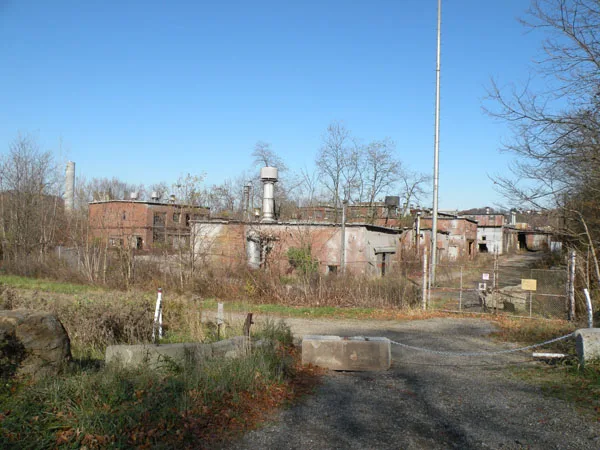
Logans Ferry Powder Works is a 20-acre industrial complex on the Allegheny River in Plum Borough, Allegheny County, built by the Aluminum Company of America beginning in 1918. Its 27 one- and two-story brick buildings and eight structures were laid out along a concrete spine road between the river and the Pennsylvania Railroad. The works was established after a November 1917 explosion destroyed the powder department at New Kensington, and it manufactured aluminum bronze powder used in paints, inks, and explosives. In 1935 it began producing albron paste, a process developed to reduce explosion hazards. Two explosions, in 1929 and 1932, and a further fatal blast in 1979 marked its operating history. Production ended in 1986 after the plant was sold to Silberline Manufacturing Company, which removed its equipment. The district is regarded as a representative example of industrial vernacular architecture tied to the aluminum industry and is valued for its association with the production of aluminum powder.
Machine-generated summary. This summary was generated by a language model from the official nomination document and has not been reviewed line by line by an editor. It may contain errors. Check the source document before relying on any detail. Source: nomination document (PDF) · catalog entry. Generated October 2026 (model claude-haiku-5-5, prompt v1.1-2026-10-29).
| Period of significance | 1918-1947 |
|---|---|
| Styles | Other: no style |
| Areas of significance | Architecture, Industry |
| Acreage | 20 |
| Boundary source | NPS cultural-resource GIS polygon |
| Full listing page | Logans Ferry Powder Works Historic District (property record) |
What listing means for this property
This is a historic district. Buildings within its boundary are either contributing (they add to the district's significance) or non-contributing. Owners of contributing income-producing buildings can claim the 20% federal rehabilitation tax credit; homeowners should look at state credits. National Register districts impose no design review by themselves; a local historic district ordinance, if one exists, does (the difference explained).
Noted as vacant in the nomination. Nomination documents can be decades old; current status may differ. If you are considering buying an empty listed property, read the due-diligence checklist.
General information, not legal or tax advice. Rules change; confirm with your State Historic Preservation Office or a qualified adviser.