Llyswen Historic District

Why it's listed
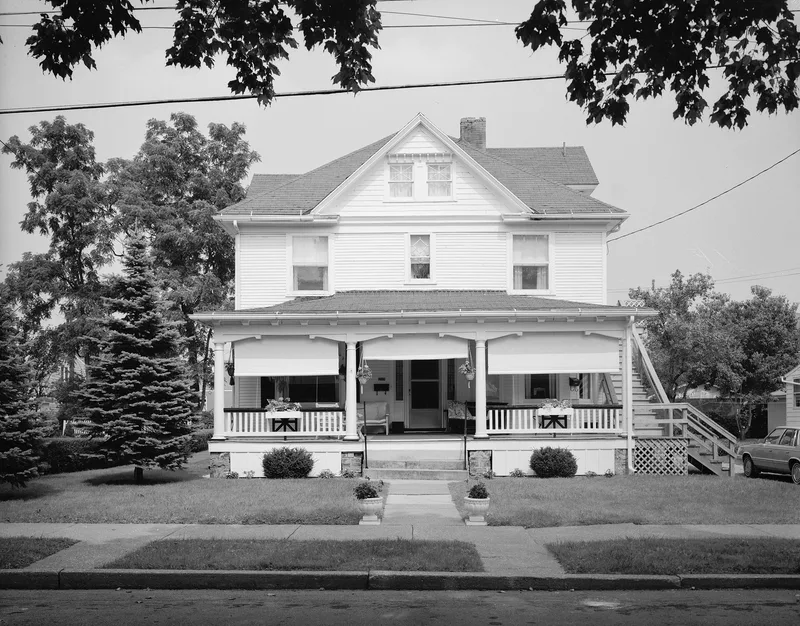
Llyswen is a residential district of single-family houses in Altoona, built along Logan Boulevard, the former route of the Altoona and Logan Valley Electric Railway. The Altoona Suburban Home Company laid out its sections between 1895 and 1907, and the lots were sold to independent builders over roughly forty-five years. Its curving avenues and large lots were unusual in a city of rigid grids. The architect brothers Louis and Michael Beezer designed the 1895 streetcar station of riverstone and their own shingled cottages at 306 and 308 Logan Boulevard, which set a design model for the suburb. Houses in the district range from Queen Anne towers to Colonial Revival, Tudor Revival, Craftsman and bungalow forms. The district is regarded as a broad record of middle-class domestic architecture in Altoona from the 1890s to about 1940, and of the city's economic ties to the Pennsylvania Railroad.
Machine-generated summary. This summary was generated by a language model from the official nomination document and has not been reviewed line by line by an editor. It may contain errors. Check the source document before relying on any detail. Source: nomination document (PDF) · catalog entry. Generated October 2026 (model claude-haiku-5-5, prompt v1.1-2026-10-29).
| Period of significance | 1895- ca. 1940 |
|---|---|
| Styles | Colonial Revival; Queen Anne; Bungalow |
| Areas of significance | Architecture |
| Acreage | 60 |
| Boundary source | NPS cultural-resource GIS polygon |
| Full listing page | Llyswen Historic District (property record) |
What listing means for this property
This is a historic district. Buildings within its boundary are either contributing (they add to the district's significance) or non-contributing. Owners of contributing income-producing buildings can claim the 20% federal rehabilitation tax credit; homeowners should look at state credits. National Register districts impose no design review by themselves; a local historic district ordinance, if one exists, does (the difference explained).
General information, not legal or tax advice. Rules change; confirm with your State Historic Preservation Office or a qualified adviser.