Lansford Historic District
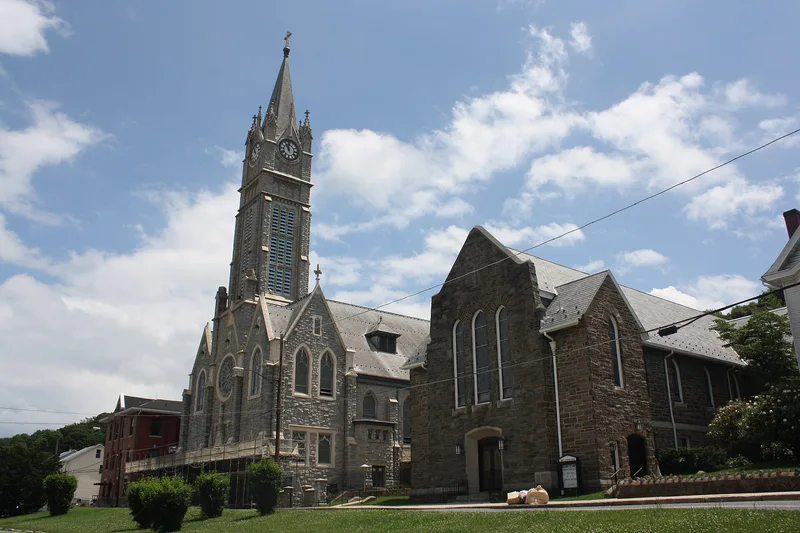

Why it's listed
Lansford is a coal borough in the Panther Valley of Carbon County, Pennsylvania, built largely by the Lehigh Coal and Navigation Company. Its housing is mostly plain, two-story double houses with side-gabled roofs and front porches, many with full basements built into the hillside. Concrete houses on West Bertsch Street and bungalow-type homes near Edgemont Lodge, built by the company for supervisors and managers, add variety. Ridge Street holds a commercial district with mid-century storefronts. The town grew after its 1878 incorporation and reached its peak population of 9,625 by 1920. The district is significant for its association with anthracite mining, from the canal and gravity railroad era through the company's withdrawal from mining in 1954. The No. 9 Mine, now a museum, and the Tunnel No. 7 rail route are key elements of that history.
Machine-generated summary. This summary was generated by a language model from the official nomination document and has not been reviewed line by line by an editor. It may contain errors. Check the source document before relying on any detail. Source: nomination document (PDF) · catalog entry. Generated October 2026 (model claude-haiku-5-5, prompt v1.1-2026-10-29).
| Period of significance | 1850-1954 |
|---|---|
| Styles | No Style; Late 19th and Early 20th Century American Movements; Late 19th and Early 20th Century Revivals |
| Areas of significance | Industry |
| Acreage | 462 |
| Boundary source | NPS cultural-resource GIS polygon |
| Full listing page | Lansford Historic District (property record) |
What listing means for this property
This is a historic district. Buildings within its boundary are either contributing (they add to the district's significance) or non-contributing. Owners of contributing income-producing buildings can claim the 20% federal rehabilitation tax credit; homeowners should look at state credits. National Register districts impose no design review by themselves; a local historic district ordinance, if one exists, does (the difference explained).
General information, not legal or tax advice. Rules change; confirm with your State Historic Preservation Office or a qualified adviser.