Huntingdon Furnace

Why it's listed
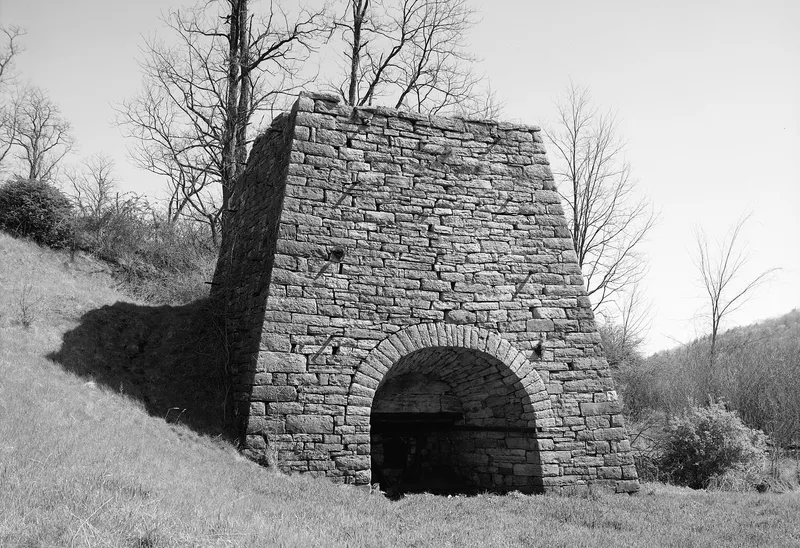
Huntingdon Furnace is an iron plantation in northern Huntingdon County, Pennsylvania, built along Warriors Mark Run, which powered both the furnace and the mill. George Anshutz, an ironmaker from Alsace, established the operation in 1796, and the stone blast furnace stack was rebuilt on the present site in 1805. The furnace lands once covered thousands of acres of timber, ore mines and farm fields. The stone gristmill, built about 1808, supplied flour and feed for the works and served local farmers until about 1920. The ironmasters' mansion, completed in 1851, is a two-and-a-half-story frame house with decorative cast iron balustrades and a fanlight doorway. The district is significant for its industrial role in the county and for the survival of its stack, mansion, log workers' house and mill, which together show how an iron plantation was organized.
Machine-generated summary. This summary was generated by a language model from the official nomination document and has not been reviewed line by line by an editor. It may contain errors. Check the source document before relying on any detail. Source: nomination document (PDF) · catalog entry. Generated October 2026 (model claude-haiku-5-5, prompt v1.1-2026-10-29).
| Period of significance | 1805-1869 |
|---|---|
| Styles | Federal |
| Areas of significance | Industry, Architecture |
| Acreage | 35 |
| Boundary source | NPS cultural-resource GIS polygon |
| Full listing page | Huntingdon Furnace (property record) |
What listing means for this property
This is a historic district. Buildings within its boundary are either contributing (they add to the district's significance) or non-contributing. Owners of contributing income-producing buildings can claim the 20% federal rehabilitation tax credit; homeowners should look at state credits. National Register districts impose no design review by themselves; a local historic district ordinance, if one exists, does (the difference explained).
General information, not legal or tax advice. Rules change; confirm with your State Historic Preservation Office or a qualified adviser.