Homestead Historic District

Why it's listed
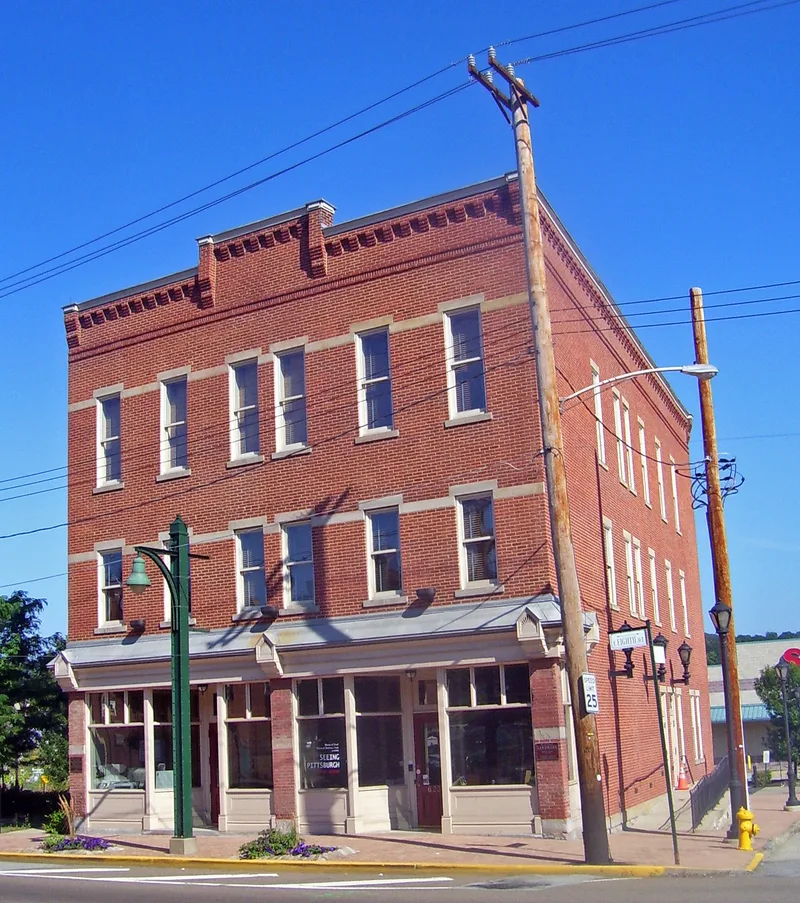
Built between about 1890 and 1941 on the south shore of the Monongahela River, this historic district spans parts of West Homestead, Homestead and Munhall, about 10 miles southeast of Pittsburgh. Its core is a commercial strip along Eighth Avenue, Route 837, where two- and three-story brick buildings with stone trim line the street, alongside middle-class houses, workers' rows and churches on the hillsides. The district is tied to the Homestead Strike of 1892, a lockout and fight between the Amalgamated Association and Henry Clay Frick's Carnegie Steel Company, in which Pinkerton agents attempted a river landing on July 6. Carnegie's 1898 Homestead Carnegie Library, designed by Longfellow, Alden & Harlow, and the 1903 C. M. Schwab Industrial School illustrate the company's gifts to the community. Seventeen religious buildings, including St. John's Cathedral of 1903 by Titus de Bobula, reflect the area's ethnic diversity. The district is listed for its architecture and for its link to the strike and the company town that followed.
Machine-generated summary. This summary was generated by a language model from the official nomination document and has not been reviewed line by line by an editor. It may contain errors. Check the source document before relying on any detail. Source: nomination document (PDF) · catalog entry. Generated October 2026 (model claude-haiku-5-5, prompt v1.1-2026-10-29).
| Period of significance | C 1890-1941 |
|---|---|
| Styles | Italianate, Romanesque, Gothic, Art Nouveau, Classical, Tudor, Shingle Style, Colonial Revival, Second Empire, American Foursquare, Homestead House and other vernacular types |
| Areas of significance | Architecture, Social History |
| Acreage | 202 |
| Boundary source | NPS cultural-resource GIS polygon |
| Full listing page | Homestead Historic District (property record) |
What listing means for this property
This is a historic district. Buildings within its boundary are either contributing (they add to the district's significance) or non-contributing. Owners of contributing income-producing buildings can claim the 20% federal rehabilitation tax credit; homeowners should look at state credits. National Register districts impose no design review by themselves; a local historic district ordinance, if one exists, does (the difference explained).
General information, not legal or tax advice. Rules change; confirm with your State Historic Preservation Office or a qualified adviser.