Head House Square

The National Park Service has not published a boundary polygon for this district; the map shows the listed properties inside it and the district's reference point.
Why it's listed
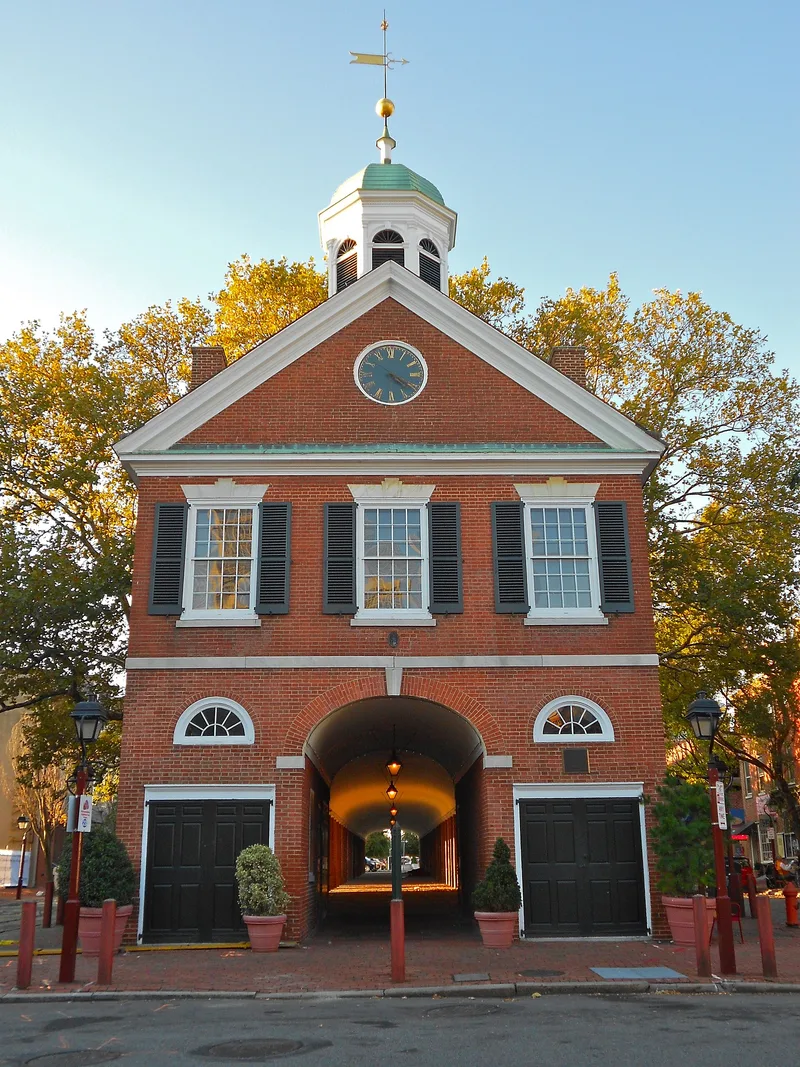
Head House Square in Philadelphia is a cluster of brick buildings dating from the late eighteenth and nineteenth centuries. Most are two and a half to three and a half stories, with shops on the ground floor and living quarters above, reflecting a long tradition of combined residential and commercial use around the market area on Second Street. The largest building is the John Ross House at 401 S. Second Street, a three and a half story brick town house with double chimneys and a curtain wall. It was refaced in the early nineteenth century with pressed brick, with architect John Haviland overseeing the work when the house was converted into legal offices. The house is said to have been furnished lavishly and visited at least once by George Washington. Other businesses in the area have included bakeries, dry goods shops, glass and china stores, and a druggist. Restoration in 1965 and 1966 recovered nineteenth century storefronts on many buildings, and the district remains a mixed commercial and residential neighborhood.
Machine-generated summary. This summary was generated by a language model from the official nomination document and has not been reviewed line by line by an editor. It may contain errors. Check the source document before relying on any detail. Source: nomination document (PDF) · catalog entry. Generated October 2026 (model claude-haiku-5-5, prompt v1.1-2026-10-29).
| Areas of significance | Commerce, Architecture |
|---|---|
| Acreage | 9.9 |
| Boundary source | not published |
| Full listing page | Head House Square (property record) |
What listing means for this property
This is a historic district. Buildings within its boundary are either contributing (they add to the district's significance) or non-contributing. Owners of contributing income-producing buildings can claim the 20% federal rehabilitation tax credit; homeowners should look at state credits. National Register districts impose no design review by themselves; a local historic district ordinance, if one exists, does (the difference explained).
General information, not legal or tax advice. Rules change; confirm with your State Historic Preservation Office or a qualified adviser.