Hatfield-Hibernia Historic District

Why it's listed
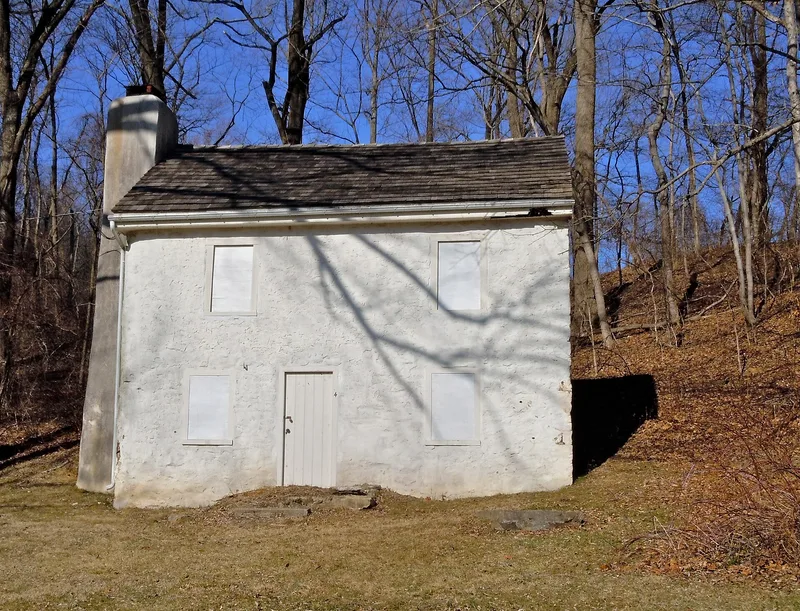
Set along the Brandywine Creek in rural Chester County, the Hatfield-Hibernia district grew from a grist mill begun about 1738 and an iron forge established in the 1790s. Samuel Downing built the first forge, which became the Hibernia Iron Works. Charles Brooke, who bought the property in 1821, expanded the ironworks and the mansion, and he donated ground for the Hibernia Methodist Church, completed in 1841. The district is notable for its stone and stuccoed workers' houses, many dating to about 1810. Those built by Isaac Van Leer for the iron works are plain one-story cottages with nine-over-six windows. Those built by Samuel Hatfield for the grist mill are more spacious, with six-over-six windows, broad surrounds and symmetrical facades. The mill houses are believed to be the earliest surviving examples of such dwellings in the area. The iron industry declined after the Civil War and the mill closed in 1945.
Machine-generated summary. This summary was generated by a language model from the official nomination document and has not been reviewed line by line by an editor. It may contain errors. Check the source document before relying on any detail. Source: nomination document (PDF) · catalog entry. Generated October 2026 (model claude-haiku-5-5, prompt v1.1-2026-10-29).
| Period of significance | 1749-1905 |
|---|---|
| Styles | Georgian-Federal interior woodwork; vernacular stone and stucco dwellings |
| Areas of significance | Industry, Architecture |
| Acreage | 828.7 |
| Boundary source | NPS cultural-resource GIS polygon |
| Full listing page | Hatfield-Hibernia Historic District (property record) |
What listing means for this property
This is a historic district. Buildings within its boundary are either contributing (they add to the district's significance) or non-contributing. Owners of contributing income-producing buildings can claim the 20% federal rehabilitation tax credit; homeowners should look at state credits. National Register districts impose no design review by themselves; a local historic district ordinance, if one exists, does (the difference explained).
General information, not legal or tax advice. Rules change; confirm with your State Historic Preservation Office or a qualified adviser.