Fordhook Farm

Why it's listed
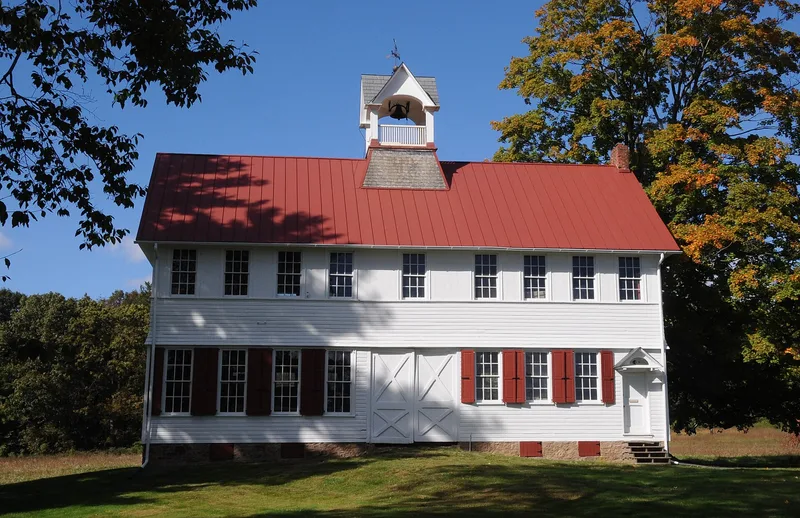
Fordhook is a sixteen-acre portion of a larger farm on Lower State Road in Doylestown, Bucks County, holding twelve contributing buildings and two structures dating from the late eighteenth to the early twentieth century. Its core is a fieldstone main house, barn, springhouse and icehouse from the working farm, with the house, barn and springhouse listed in the 1798 Federal Direct Tax for New Britain Township. W. Atlee Burpee bought the farm in 1888 and used it as the first experimental and seed production farm of the Burpee Seed Company, which grew into the nation's foremost seed business. Hundreds of flower and vegetable varieties were developed here, new hybrids were invented, and the company's annual catalogue was designed on the property. Seed trials and visiting students linked the farm to agricultural education, and Delaware Valley College, begun in 1896 on adjoining land, was closely associated with it. The seed house, greenhouses and other Burpee-era buildings survive largely intact. The main house combines Federal and Greek Revival interiors from the early 1800s with an addition designed by Charles Lee of Philadelphia around 1902.
Machine-generated summary. This summary was generated by a language model from the official nomination document and has not been reviewed line by line by an editor. It may contain errors. Check the source document before relying on any detail. Source: nomination document (PDF) · catalog entry. Generated October 2026 (model claude-haiku-5-5, prompt v1.1-2026-10-29).
| Period of significance | c. 1760-1937 |
|---|---|
| Styles | Federal, Greek Revival, Colonial Revival, and Queen Anne (cottage) |
| Areas of significance | Commerce, Agriculture, Education, Science, Architecture |
| Acreage | 16 |
| Boundary source | NPS cultural-resource GIS polygon |
| Full listing page | Fordhook Farm (property record) |
What listing means for this property
This is a historic district. Buildings within its boundary are either contributing (they add to the district's significance) or non-contributing. Owners of contributing income-producing buildings can claim the 20% federal rehabilitation tax credit; homeowners should look at state credits. National Register districts impose no design review by themselves; a local historic district ordinance, if one exists, does (the difference explained).
General information, not legal or tax advice. Rules change; confirm with your State Historic Preservation Office or a qualified adviser.