Fairville Historic District

Why it's listed
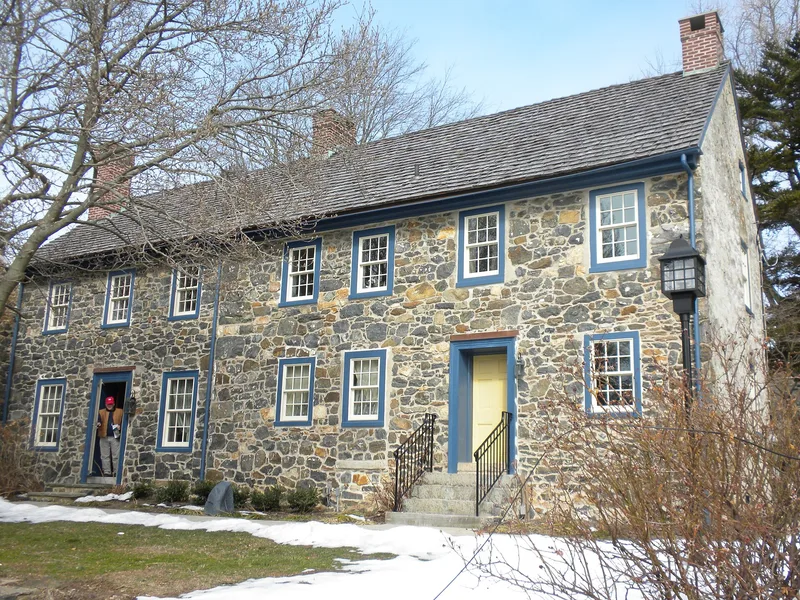
Fairville is a crossroads village on Kennett Pike in Pennsbury Township, Chester County, where houses, shops and barns line the road in a close linear pattern. Its oldest standing house dates to about 1744, when Owen Evans settled the land, and its historic core was largely built on lots sold by the Sharpless family in the first half of the nineteenth century. Blacksmith shops, including the Francis Boyce forge, supplied goods to nearby mills and farms, while the Sharpless general store and post office served as the village's main market. The village declined after a railroad station opened in 1865 at what is now Mendenhall, shifting farm trade away from the pike. Later, Phillip duPont developed an estate here in the early twentieth century, with buildings designed by Robeson Lea Perot. The district is valued for the number of intact buildings that show how the village functioned across more than two centuries.
Machine-generated summary. This summary was generated by a language model from the official nomination document and has not been reviewed line by line by an editor. It may contain errors. Check the source document before relying on any detail. Source: nomination document (PDF) · catalog entry. Generated October 2026 (model claude-haiku-5-5, prompt v1.1-2026-10-29).
| Period of significance | C. 1744 - 1946 |
|---|---|
| Styles | Federal; Colonial Revival; Gothic; Tudor Revival; Greek Revival; Georgian; vernacular |
| Areas of significance | Architecture, Commerce |
| Acreage | 26 |
| Boundary source | NPS cultural-resource GIS polygon |
| Full listing page | Fairville Historic District (property record) |
What listing means for this property
This is a historic district. Buildings within its boundary are either contributing (they add to the district's significance) or non-contributing. Owners of contributing income-producing buildings can claim the 20% federal rehabilitation tax credit; homeowners should look at state credits. National Register districts impose no design review by themselves; a local historic district ordinance, if one exists, does (the difference explained).
General information, not legal or tax advice. Rules change; confirm with your State Historic Preservation Office or a qualified adviser.