Ercildoun Historic District

Why it's listed
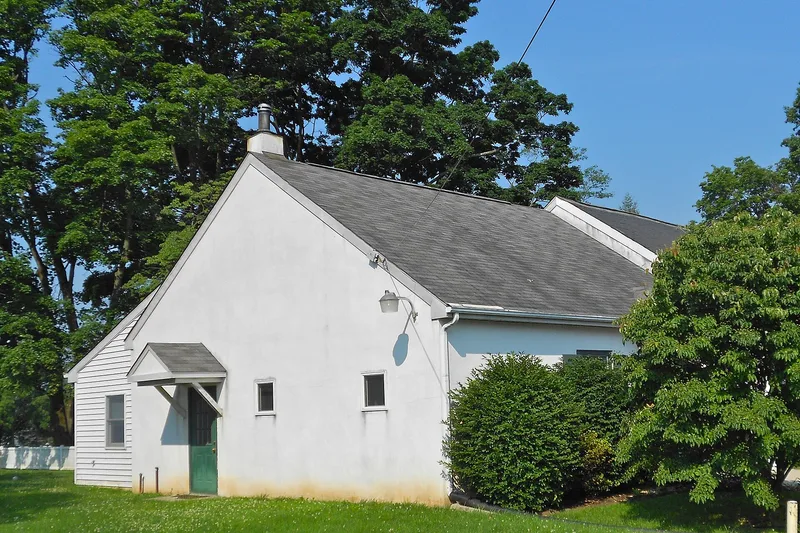
Ercildoun is a crossroads hamlet in East Fallowfield Township, Chester County, containing thirty-one properties, many of them built in the late eighteenth and early nineteenth centuries. The Fallowfield Meetinghouse, built in 1801 on a Quaker site, anchors the village, and nearby stand the Ercildoun Academy of 1851, the Gideon Pierce House and Store of about 1818, and a Christ Disciple Church of 1894. The district is listed for its association with the anti-slavery movement. In 1835 the East Fallowfield Anti-Slavery Society was formed, and after a mob broke up its meetings in 1844, members built People's Hall, which served as a meeting place for abolitionists. Residents including James Fulton Jr. and Gideon Pierce are identified as operators on the Underground Railroad, and the village sheltered fugitives, some in groups of up to thirty-three. The vernacular buildings also reflect the village's agrarian economy.
Machine-generated summary. This summary was generated by a language model from the official nomination document and has not been reviewed line by line by an editor. It may contain errors. Check the source document before relying on any detail. Source: nomination document (PDF) · catalog entry. Generated October 2026 (model claude-haiku-5-5, prompt v1.1-2026-10-29).
| Period of significance | 1811-1865 |
|---|---|
| Styles | Vernacular, with Federal, English Colonial, Greek Revival, Italianate and Gothic Revival elements; non-contributing structures are ranch style |
| Areas of significance | Architecture, Social History |
| Acreage | 43 |
| Boundary source | NPS cultural-resource GIS polygon |
| Full listing page | Ercildoun Historic District (property record) |
What listing means for this property
This is a historic district. Buildings within its boundary are either contributing (they add to the district's significance) or non-contributing. Owners of contributing income-producing buildings can claim the 20% federal rehabilitation tax credit; homeowners should look at state credits. National Register districts impose no design review by themselves; a local historic district ordinance, if one exists, does (the difference explained).
General information, not legal or tax advice. Rules change; confirm with your State Historic Preservation Office or a qualified adviser.