Eckley Historic District

Why it's listed
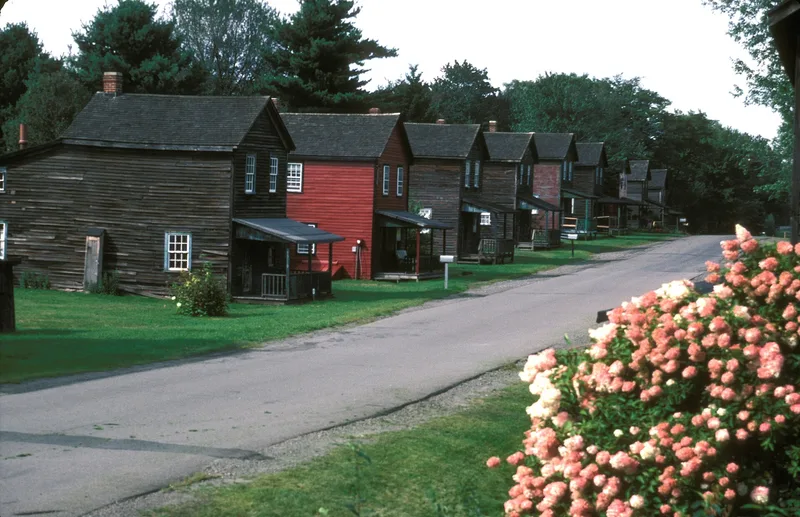
Eckley is a former anthracite coal company town in southern Luzerne County, Pennsylvania, laid out on a gridiron plan of blocks along Main Street. The village was developed by Sharpe, Weiss and Company after mining began there in 1854, with the first shipment of coal leaving by rail in 1855 via a branch of the Lehigh Valley Railroad. At its height in the 1870s and 1880s it held more than one hundred fifty dwellings, two breakers, a sawmill, three churches, a store, a hotel and a doctor's office, and the houses were painted red. Its dwellings fall into five types, from superintendents' Gothic Victorian homes to one and a half story salt box houses. It is significant as a surviving example of a hard coal company town that was not altered to meet later urban growth, and it is valued for showing how miners and their families lived in the late nineteenth century.
Machine-generated summary. This summary was generated by a language model from the official nomination document and has not been reviewed line by line by an editor. It may contain errors. Check the source document before relying on any detail. Source: nomination document (PDF) · catalog entry. Generated October 2026 (model claude-haiku-5-5, prompt v1.1-2026-10-29).
| Period of significance | 19th century |
|---|---|
| Styles | Gothic Victorian |
| Areas of significance | Industry, Architecture |
| Acreage | 73.2 |
| Boundary source | NPS cultural-resource GIS polygon |
| Full listing page | Eckley Historic District (property record) |
What listing means for this property
This is a historic district. Buildings within its boundary are either contributing (they add to the district's significance) or non-contributing. Owners of contributing income-producing buildings can claim the 20% federal rehabilitation tax credit; homeowners should look at state credits. National Register districts impose no design review by themselves; a local historic district ordinance, if one exists, does (the difference explained).
General information, not legal or tax advice. Rules change; confirm with your State Historic Preservation Office or a qualified adviser.