East York Historic District

Why it's listed
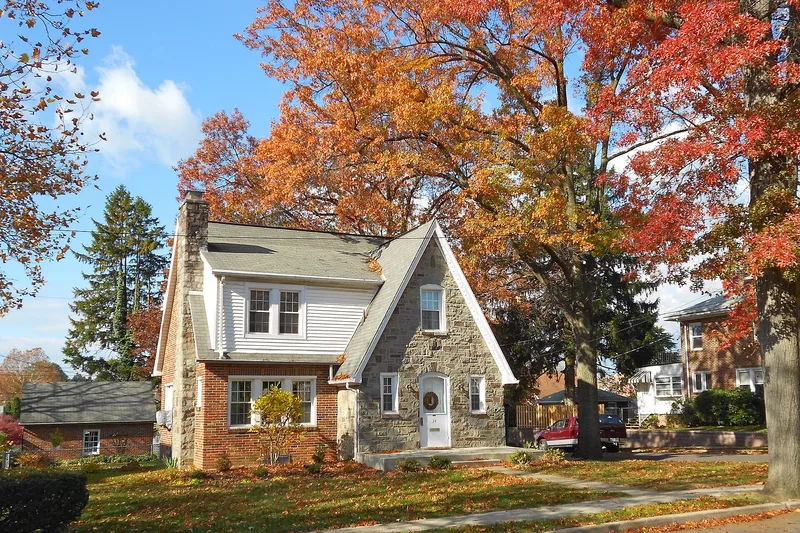
Laid out in 1903 as a grid-plan suburb just outside York, East York stretches along both sides of East Market Street, the Lincoln Highway, with its largest lots and most prominent houses fronting that road. Its 308 resources were built mainly during the 1920s, 1930s and 1940s, and the district is notable for its variety of houses in Colonial Revival, Tudor, Prairie and Craftsman styles, along with French Eclectic and a 1936 Art Deco apartment building. Lots were deed restricted, and the developer set standards for house size and cost, which produced a planned neighborhood of middle and upper income families. Trees now form canopies over many streets, and detached garages match their houses in style and materials. Many large Market Street houses were later converted into doctors' and dentists' offices. The development's early reliance on the trolley and later bus service reflects the transportation patterns that shaped suburbs of its era.
Machine-generated summary. This summary was generated by a language model from the official nomination document and has not been reviewed line by line by an editor. It may contain errors. Check the source document before relying on any detail. Source: nomination document (PDF) · catalog entry. Generated October 2026 (model claude-haiku-5-5, prompt v1.1-2026-10-29).
| Period of significance | 1903-1948 |
|---|---|
| Styles | Colonial Revival, Tudor, Prairie, Craftsman, French Eclectic |
| Areas of significance | Architecture |
| Acreage | 164 |
| Boundary source | NPS cultural-resource GIS polygon |
| Full listing page | East York Historic District (property record) |
What listing means for this property
This is a historic district. Buildings within its boundary are either contributing (they add to the district's significance) or non-contributing. Owners of contributing income-producing buildings can claim the 20% federal rehabilitation tax credit; homeowners should look at state credits. National Register districts impose no design review by themselves; a local historic district ordinance, if one exists, does (the difference explained).
General information, not legal or tax advice. Rules change; confirm with your State Historic Preservation Office or a qualified adviser.