East Broad Top Railroad

Why it's listed
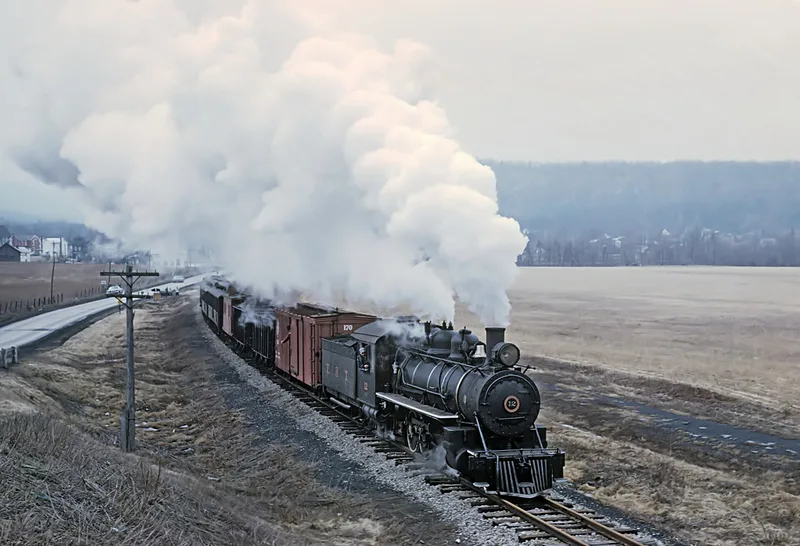
Rockhill Furnace in Huntingdon County is home to the East Broad Top Railroad, a narrow gauge coal line established in 1871 and operated until April 16, 1956. The line ran about thirty-three miles from Alvan to Mount Union, where coal was transferred to the Pennsylvania Railroad, and the Rockhill yard held the shops, a brick roundhouse with berths for eight engines, and a turntable, most dating from 1874. Much of the original machinery survives. The railroad is regarded as one of the oldest narrow gauge lines in America and as a well-preserved example of the steam era. Its rolling stock is also significant: three coaches bought second-hand from the Boston, Revere Beach and Lynn Railroad are considered rare survivors of the Laconia Car Company, and Official Car No. 20, built in 1880 for the Bradford, Bordell and Kinzua Railroad, is considered one of few surviving narrow gauge official cars. Passenger service ended in 1953.
Machine-generated summary. This summary was generated by a language model from the official nomination document and has not been reviewed line by line by an editor. It may contain errors. Check the source document before relying on any detail. Source: nomination document (PDF) · catalog entry. Generated October 2026 (model claude-haiku-5-5, prompt v1.1-2026-10-29).
| Period of significance | 1871-1956 |
|---|---|
| Areas of significance | Commerce, Transportation |
| Acreage | 500 |
| Boundary source | NPS cultural-resource GIS polygon |
| Full listing page | East Broad Top Railroad (property record) |
What listing means for this property
This is a historic district. Buildings within its boundary are either contributing (they add to the district's significance) or non-contributing. Owners of contributing income-producing buildings can claim the 20% federal rehabilitation tax credit; homeowners should look at state credits. National Register districts impose no design review by themselves; a local historic district ordinance, if one exists, does (the difference explained).
General information, not legal or tax advice. Rules change; confirm with your State Historic Preservation Office or a qualified adviser.