East Berlin Historic District

Why it's listed
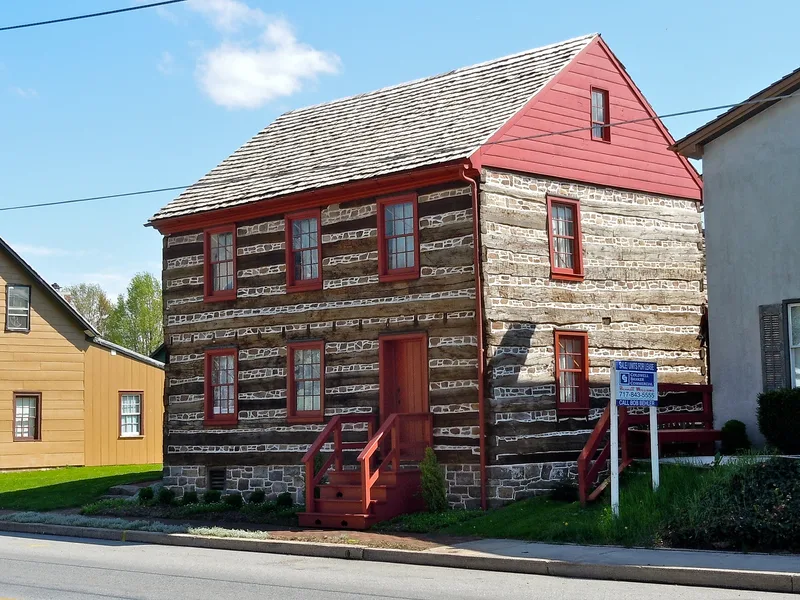
East Berlin is a borough on the Conewago Creek in Adams County, Pennsylvania, laid out in 1764 by John Frankenberger. Its historic district contains a concentration of 18th century log and stone dwellings, many with original siding and interior features, alongside brick and frame houses of the late 19th century. Settled principally by people of German descent, the town shows the building traditions of the Pennsylvania Germans in its plan, fenestration and detailing. Its late 19th century buildings display a window and door trim with wide molded architraves, arched tops and modified crossettes, which is regarded as distinctive to East Berlin. The town grew as a small commercial center serving local farms, with a grist mill near the creek and a railroad spur completed in 1877. Because few later changes were made, the district conveys its evolution from the 18th through the early 20th century. Only nine of 186 properties are noncontributing.
Machine-generated summary. This summary was generated by a language model from the official nomination document and has not been reviewed line by line by an editor. It may contain errors. Check the source document before relying on any detail. Source: nomination document (PDF) · catalog entry. Generated October 2026 (model claude-haiku-5-5, prompt v1.1-2026-10-29).
| Period of significance | 1764-1935 |
|---|---|
| Styles | Pennsylvania vernacular with Georgianesque, Federalesque, Italianate and Queen Anne influences |
| Areas of significance | Commerce, Architecture |
| Acreage | 40 |
| Boundary source | NPS cultural-resource GIS polygon |
| Full listing page | East Berlin Historic District (property record) |
What listing means for this property
This is a historic district. Buildings within its boundary are either contributing (they add to the district's significance) or non-contributing. Owners of contributing income-producing buildings can claim the 20% federal rehabilitation tax credit; homeowners should look at state credits. National Register districts impose no design review by themselves; a local historic district ordinance, if one exists, does (the difference explained).
General information, not legal or tax advice. Rules change; confirm with your State Historic Preservation Office or a qualified adviser.