Doylestown Historic District

Why it's listed
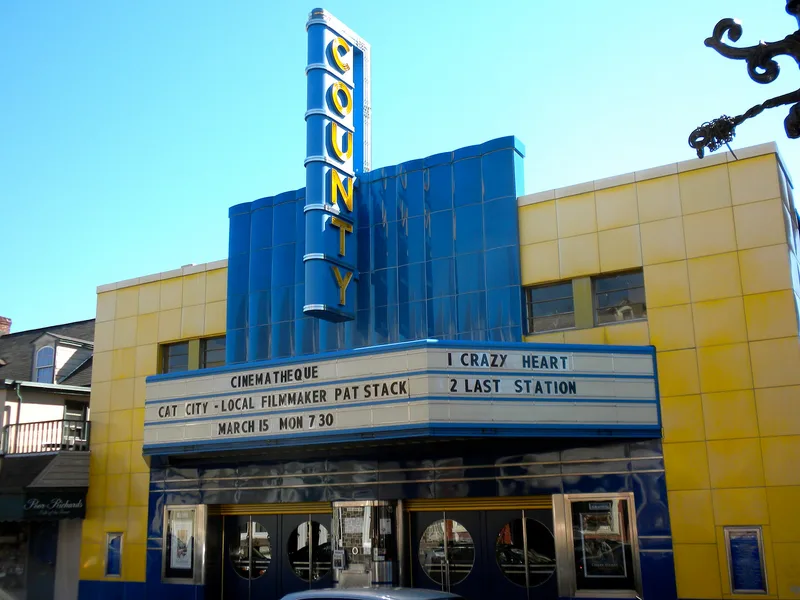
Doylestown sits on a 447-foot promontory at the junction of two early roads in central Bucks County, Pennsylvania. The town became county seat after the 1810 Act of Assembly, and the first court session was held there in May 1813. Its core is built mostly of brick, with two-and-a-half-story, three-bay houses set on single lots and three-story commercial blocks along Main Street. Its architecture follows Colonial and Federal traditions brought by Quaker and Scotch-Irish settlers, with later Victorian work by Addison Hutton and Thomas Cernea. The district is also known for the Mercer Museum, whose reinforced concrete buildings by Henry Mercer, built in the 1910s, are unlike anything else in the town. Because the town lacked water power and industry, its historic streetscape has remained largely intact.
Machine-generated summary. This summary was generated by a language model from the official nomination document and has not been reviewed line by line by an editor. It may contain errors. Check the source document before relying on any detail. Source: nomination document (PDF) · catalog entry. Generated October 2026 (model claude-haiku-5-5, prompt v1.1-2026-10-29).
| Period of significance | 1830-1849 |
|---|---|
| Styles | Late Federal, Italianate, Victorian, Queen Anne-Eastlake, Colonial Revival, Greek Revival (Hart Bank) |
| Areas of significance | Commerce, Transportation, Exploration/Settlement, Politics/Government, Architecture |
| Acreage | 206 |
| Boundary source | NPS cultural-resource GIS polygon |
| Full listing page | Doylestown Historic District (property record) |
What listing means for this property
This is a historic district. Buildings within its boundary are either contributing (they add to the district's significance) or non-contributing. Owners of contributing income-producing buildings can claim the 20% federal rehabilitation tax credit; homeowners should look at state credits. National Register districts impose no design review by themselves; a local historic district ordinance, if one exists, does (the difference explained).
General information, not legal or tax advice. Rules change; confirm with your State Historic Preservation Office or a qualified adviser.