Deery Family Homestead

Why it's listed
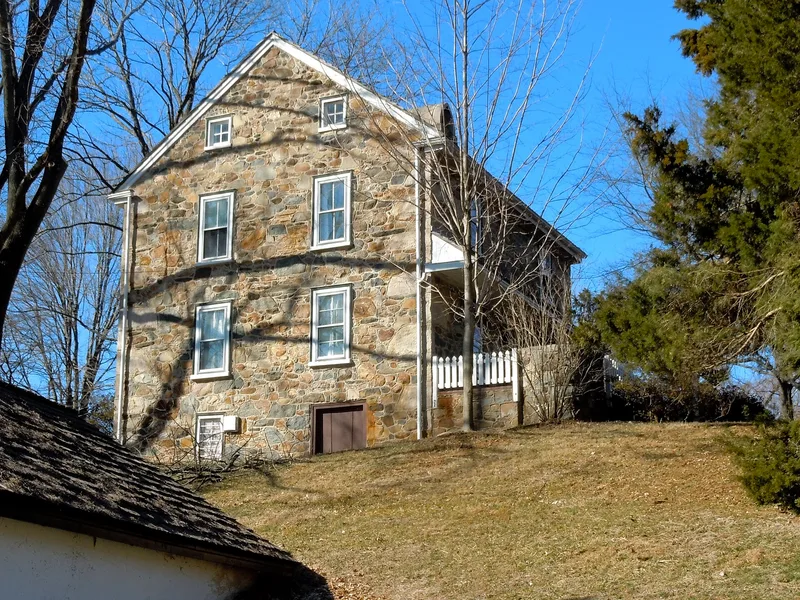
Stone farm complex in Vincent Township, Chester County, built in stages by the Deery family from the 1760s. George Deery is reported to have settled here in 1760, and the 1798 glass tax recorded 215 acres with a stone dwelling, kitchen, wagon house and spring house, plus two log houses. The main house was built in two parts, the first about 18 by 18 feet, later enlarged to the size recorded in the tax. Outbuildings include a large stone bank barn with an 1819 inscription in its mortar, a wagon shed, a bake oven and vaulted root cellars. Local tradition, as recorded, holds that the farm lay on the road from Valley Forge to the Yellow Springs hospital, and that the family sheltered Continental soldiers in their house and barn. The property is significant as an example of a self-sustaining family compound in the region, with its outbuildings arranged to function independently of the parent farm.
Machine-generated summary. This summary was generated by a language model from the official nomination document and has not been reviewed line by line by an editor. It may contain errors. Check the source document before relying on any detail. Source: nomination document (PDF) · catalog entry. Generated October 2026 (model claude-haiku-5-5, prompt v1.1-2026-10-29).
| Period of significance | 1700-1799 |
|---|---|
| Areas of significance | Agriculture, Architecture, Social History |
| Acreage | 115 |
| Boundary source | NPS cultural-resource GIS polygon |
| Full listing page | Deery Family Homestead (property record) |
What listing means for this property
This is a historic district. Buildings within its boundary are either contributing (they add to the district's significance) or non-contributing. Owners of contributing income-producing buildings can claim the 20% federal rehabilitation tax credit; homeowners should look at state credits. National Register districts impose no design review by themselves; a local historic district ordinance, if one exists, does (the difference explained).
General information, not legal or tax advice. Rules change; confirm with your State Historic Preservation Office or a qualified adviser.