Damascus Historic District

Why it's listed
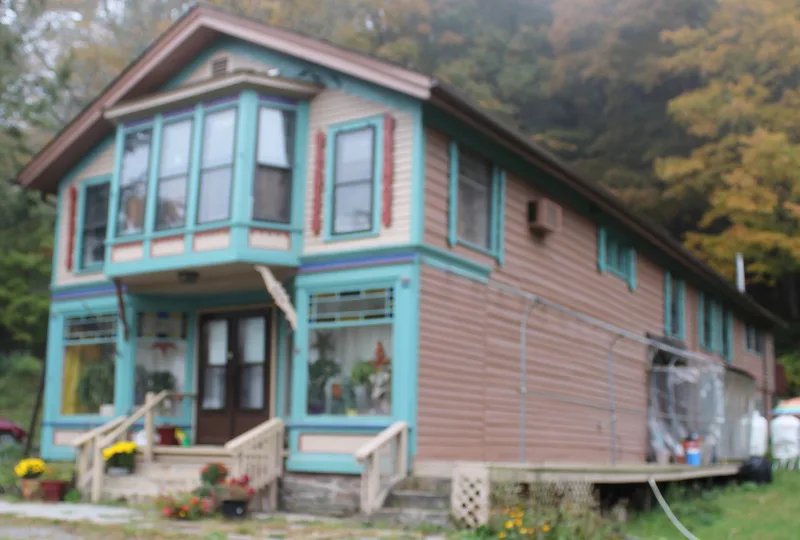
Damascus is a village of nineteenth and early twentieth century houses, churches and a former store set on a steep slope above the Delaware River in Wayne County, Pennsylvania. Its growth followed the Newburgh-Cochecton-Great Bend Turnpike, begun in 1801 and completed to the Susquehanna by 1810. Where the road crossed the Delaware, a busy community formed, with a general store and a blacksmith shop among its enterprises. The district is valued for its concentration of buildings from the 1810 to 1942 period. The Philip O'Reilly House, built around 1840, has Greek Revival detailing including an enclosed pediment and formal entrance. The Luther Appley House, from about 1850, is the only Tuscan Villa style building in the river valley, with a three-story corner tower. The Damascus Baptist Church, originally built around 1832 and remodeled in 1874 in Renaissance Revival style, is a notable landmark. The Vail & Appley Store, dating from about 1860, has a two-story bay window with colored glass. The surviving Turnpike route is among the features that link the village to its transportation history.
Machine-generated summary. This summary was generated by a language model from the official nomination document and has not been reviewed line by line by an editor. It may contain errors. Check the source document before relying on any detail. Source: nomination document (PDF) · catalog entry. Generated October 2026 (model claude-haiku-5-5, prompt v1.1-2026-10-29).
| Period of significance | 1810-1942 |
|---|---|
| Styles | Greek Revival, Queen Anne, Tuscan Villa, Colonial Revival, Renaissance Revival |
| Areas of significance | Transportation, Architecture |
| Acreage | 45 |
| Boundary source | NPS cultural-resource GIS polygon |
| Full listing page | Damascus Historic District (property record) |
What listing means for this property
This is a historic district. Buildings within its boundary are either contributing (they add to the district's significance) or non-contributing. Owners of contributing income-producing buildings can claim the 20% federal rehabilitation tax credit; homeowners should look at state credits. National Register districts impose no design review by themselves; a local historic district ordinance, if one exists, does (the difference explained).
General information, not legal or tax advice. Rules change; confirm with your State Historic Preservation Office or a qualified adviser.