Coopersburg Historic District

Why it's listed
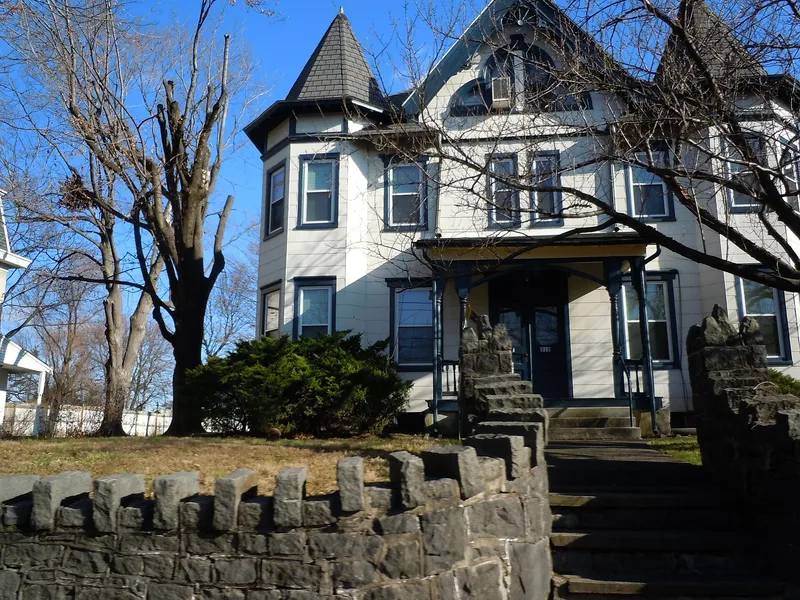
Coopersburg is a borough whose historic district follows Main Street and Station Avenue in Lehigh County, Pennsylvania. Settlement began around a hotel founded by George Bachman in the 1740s, and the village grew as a stop on the Bethlehem Pike. The North Pennsylvania Railroad reached it in 1856, creating a second commercial centre near the station. Tilghman S. Cooper Sr. began breeding pure bred Jersey cattle on his farm in 1874, and his annual sale, held in the borough from 1900 to 1931, drew national attention to the dairy industry. The district contains 176 buildings erected before 1930, including Queen Anne and Colonial Revival houses on the Cooper estate, Federal-era houses on North Main Street, and vernacular brick and frame dwellings built for working families. Its buildings show how a small Pennsylvania German farming and trading town developed across more than a century.
Machine-generated summary. This summary was generated by a language model from the official nomination document and has not been reviewed line by line by an editor. It may contain errors. Check the source document before relying on any detail. Source: nomination document (PDF) · catalog entry. Generated October 2026 (model claude-haiku-5-5, prompt v1.1-2026-10-29).
| Period of significance | c. 1730-1931 |
|---|---|
| Styles | Mixed: Queen Anne, Colonial Revival, Federal, Victorian Gothic and vernacular Pennsylvania German house forms |
| Areas of significance | Industry, Commerce, Agriculture, Transportation, Architecture, Religion, Social History |
| Acreage | 93 |
| Boundary source | NPS cultural-resource GIS polygon |
| Full listing page | Coopersburg Historic District (property record) |
What listing means for this property
This is a historic district. Buildings within its boundary are either contributing (they add to the district's significance) or non-contributing. Owners of contributing income-producing buildings can claim the 20% federal rehabilitation tax credit; homeowners should look at state credits. National Register districts impose no design review by themselves; a local historic district ordinance, if one exists, does (the difference explained).
General information, not legal or tax advice. Rules change; confirm with your State Historic Preservation Office or a qualified adviser.