Concordville Historic District
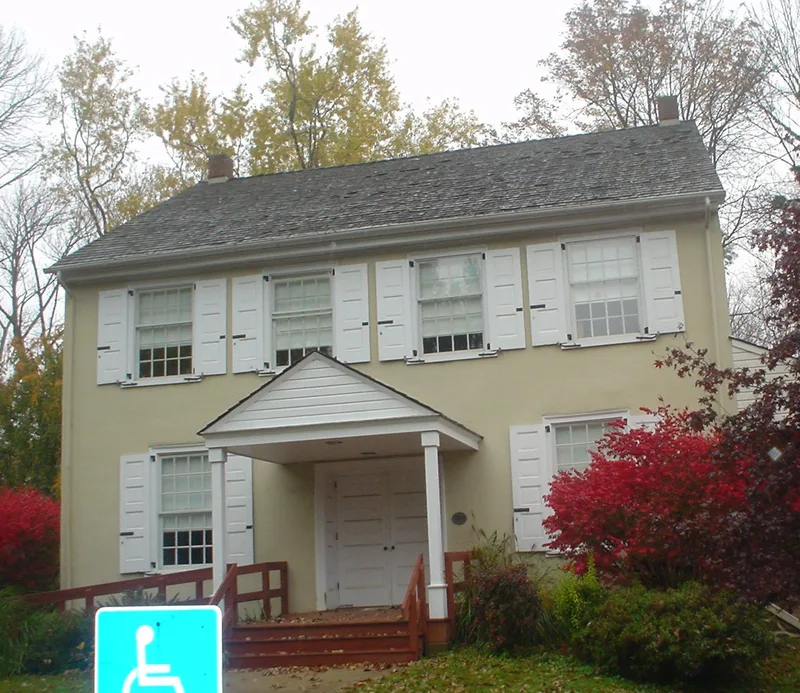

Why it's listed
Concordville is a small village cluster at the crossing of the road from Chester and the road from Philadelphia to Baltimore, and its historic district preserves the buildings that stood there before 1831. The Concord Friends Meeting House was first built in 1728, burned in 1788 and was enlarged then, and it served as a religious center and school for many township residents. Nearby, the Nicholas Newlin House is a brick house laid in Flemish bond, with a datestone reading 1742. The Newlin Tenant House is an 18th-century fieldstone house. The Samuel Trimble House was built of fieldstone in the 18th century and extended in the early 19th century, and Trimble worked there as a hatter around 1800. The district is also notable for the 1856 Brick House and the Norris J. Scott House, which show mid-19th-century Victorian influence. Together the buildings form a compact group of rural architecture from the region.
Machine-generated summary. This summary was generated by a language model from the official nomination document and has not been reviewed line by line by an editor. It may contain errors. Check the source document before relying on any detail. Source: nomination document (PDF) · catalog entry. Generated October 2026 (model claude-haiku-5-5, prompt v1.1-2026-10-29).
| Period of significance | 18th Century-19th Century |
|---|---|
| Styles | Flemish bond brick; fieldstone; Victorian Gothic additions |
| Areas of significance | Commerce, Education, Architecture, Religion |
| Acreage | 14 |
| Boundary source | NPS cultural-resource GIS polygon |
| Full listing page | Concordville Historic District (property record) |
What listing means for this property
This is a historic district. Buildings within its boundary are either contributing (they add to the district's significance) or non-contributing. Owners of contributing income-producing buildings can claim the 20% federal rehabilitation tax credit; homeowners should look at state credits. National Register districts impose no design review by themselves; a local historic district ordinance, if one exists, does (the difference explained).
General information, not legal or tax advice. Rules change; confirm with your State Historic Preservation Office or a qualified adviser.