Carrie Blast Furnace Number 6 and 7

Why it's listed
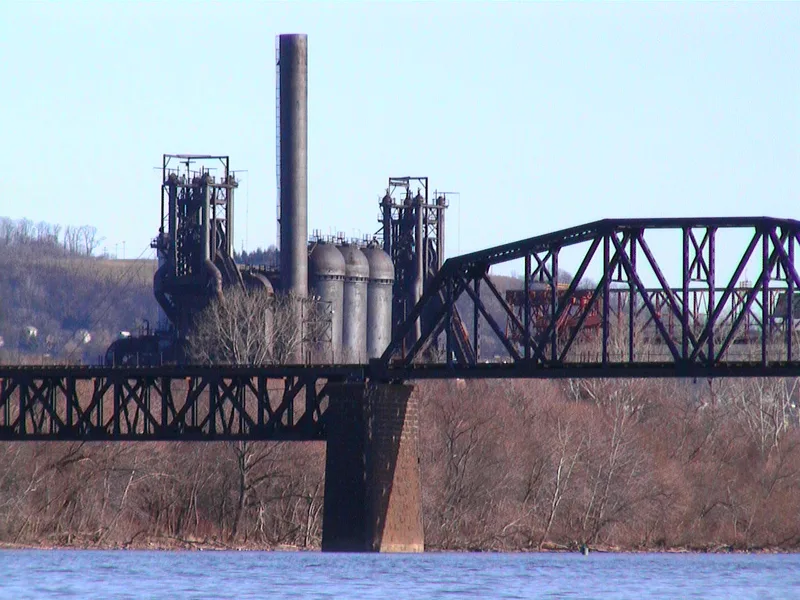
Carrie Blast Furnaces Numbers 6 and 7 are two steel-frame iron-producing stacks on the north bank of the Monongahela River, a short distance east of Pittsburgh, in the boroughs of Rankin, Munhall and Swissvale. Built in 1906-1907, they formed part of the integrated Carrie plant that supplied basic iron to the open-hearth furnaces of the Homestead Steel Works from 1907 to 1978. The furnaces operated as a pair, sharing ore storage, hot blast stoves, blowing engines and gas-processing equipment. Their gas was cleaned and used to fire boilers and generate electricity for the mill. Most of the original equipment dates from the 1920s to the 1940s, a level of integrity uncommon among furnaces built before World War I. The district also includes the Hot Metal Bridge, built in 1900-1901, which carried molten iron across the river. The property is significant for its engineering and its role in industrial production.
Machine-generated summary. This summary was generated by a language model from the official nomination document and has not been reviewed line by line by an editor. It may contain errors. Check the source document before relying on any detail. Source: nomination document (PDF) · catalog entry. Generated October 2026 (model claude-haiku-5-5, prompt v1.1-2026-10-29).
| Period of significance | 1906-1941 |
|---|---|
| Styles | No Style |
| Boundary source | NPS cultural-resource GIS polygon |
| Full listing page | Carrie Blast Furnace Number 6 and 7 (property record) |
What listing means for this property
This is a historic district. Buildings within its boundary are either contributing (they add to the district's significance) or non-contributing. Owners of contributing income-producing buildings can claim the 20% federal rehabilitation tax credit; homeowners should look at state credits. National Register districts impose no design review by themselves; a local historic district ordinance, if one exists, does (the difference explained).
General information, not legal or tax advice. Rules change; confirm with your State Historic Preservation Office or a qualified adviser.