Camptown Historic District

Why it's listed
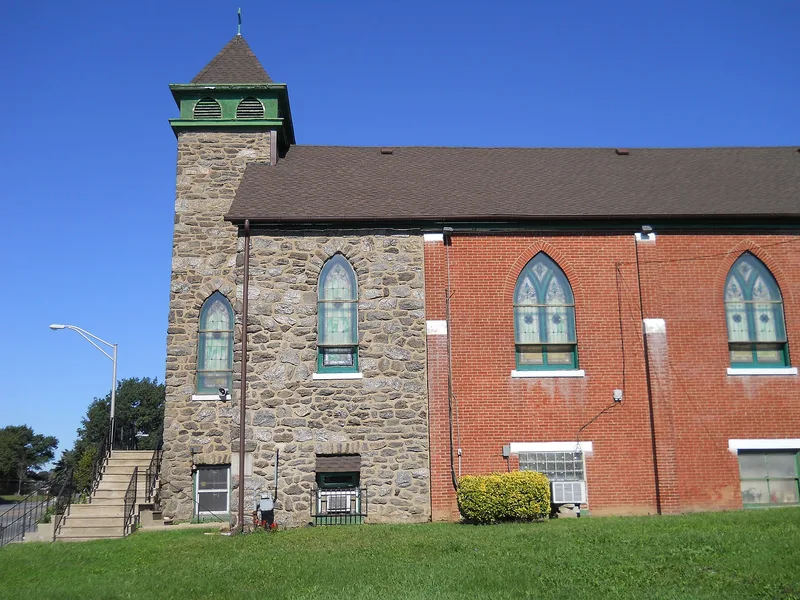
Laid out in the 1850s and 1860s on land in Cheltenham Township, LaMott is a residential village of modest houses, a stone schoolhouse, a firehouse and a brick and stone AME church. Edward M. Davis, a Quaker real estate developer and son-in-law of abolitionist Lucretia Mott, cut its streets and sold small lots to both black and white buyers, and the village grew steadily through the late nineteenth century. Early residents included William Butcher, who bought his rented house in 1879, and brickmaker William Watson, who supplied bricks for nearby homes. In the early twentieth century William A. Ritchie organized a cemetery company and a building and loan association that helped more than twenty black families buy homes. The district is valued for its integrated settlement at a time when such living arrangements were uncommon in the North, and for the link between the village and the nation's first training camp for black troops, which stood on part of the site.
Machine-generated summary. This summary was generated by a language model from the official nomination document and has not been reviewed line by line by an editor. It may contain errors. Check the source document before relying on any detail. Source: nomination document (PDF) · catalog entry. Generated October 2026 (model claude-haiku-5-5, prompt v1.1-2026-10-29).
| Period of significance | 1850-1935 |
|---|---|
| Styles | Vernacular with Carpenter Gothic, Gothic Revival and Italianate elements |
| Areas of significance | Community Planning and Development, Black, Social History |
| Acreage | 26 |
| Boundary source | NPS cultural-resource GIS polygon |
| Full listing page | Camptown Historic District (property record) |
What listing means for this property
This is a historic district. Buildings within its boundary are either contributing (they add to the district's significance) or non-contributing. Owners of contributing income-producing buildings can claim the 20% federal rehabilitation tax credit; homeowners should look at state credits. National Register districts impose no design review by themselves; a local historic district ordinance, if one exists, does (the difference explained).
General information, not legal or tax advice. Rules change; confirm with your State Historic Preservation Office or a qualified adviser.