Bost Building

Why it's listed
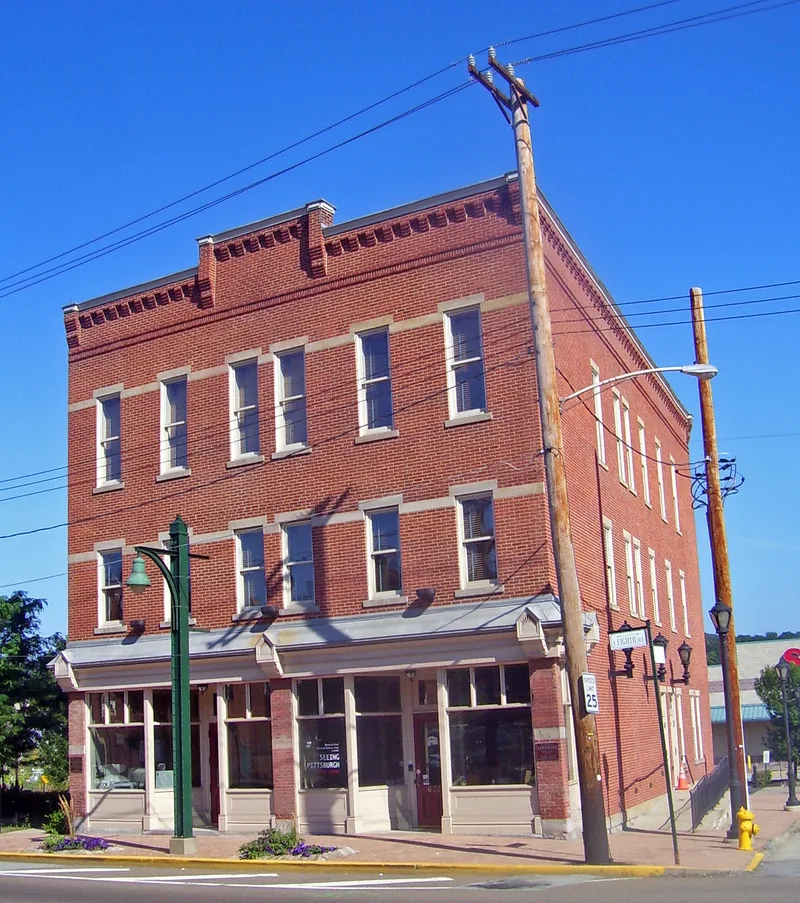
Built in 1892 as a three-story brick commercial building on East Eighth Avenue in Homestead, the Bost Building stood beside the Homestead Works steel mill. Its intended use at completion is not known, though most sources say it was built as a hotel, and it was still being finished when the lockout and strike began. During the 1892 confrontation between the Carnegie Steel Company and the Amalgamated Association of Iron and Steel Workers, it served as the union's headquarters, as the base of the Advisory Committee representing eight local lodges, and as a workplace for visiting newspaper correspondents. The third floor rooms overlooked the mill. The building is regarded as the primary surviving resource associated with the Battle of Homestead of July 6, 1892, and it is significant for its link to the labor struggle of that year. Its exterior plan is largely unaltered apart from the storefront, and its interior retains original doors, trim, and plan on the upper floors.
Machine-generated summary. This summary was generated by a language model from the official nomination document and has not been reviewed line by line by an editor. It may contain errors. Check the source document before relying on any detail. Source: nomination document (PDF) · catalog entry. Generated October 2026 (model claude-haiku-5-5, prompt v1.1-2026-10-29).
| Period of significance | June 29, 1892 - November 21, 1892 |
|---|---|
| Styles | Other: Vernacular Commercial |
| Areas of significance | Social History |
| Acreage | 0.9 |
| Boundary source | NPS cultural-resource GIS polygon |
| Full listing page | Bost Building (property record) |
What listing means for this property
This is a historic district. Buildings within its boundary are either contributing (they add to the district's significance) or non-contributing. Owners of contributing income-producing buildings can claim the 20% federal rehabilitation tax credit; homeowners should look at state credits. National Register districts impose no design review by themselves; a local historic district ordinance, if one exists, does (the difference explained).
General information, not legal or tax advice. Rules change; confirm with your State Historic Preservation Office or a qualified adviser.