Bedford Springs Hotel Historic District

Why it's listed
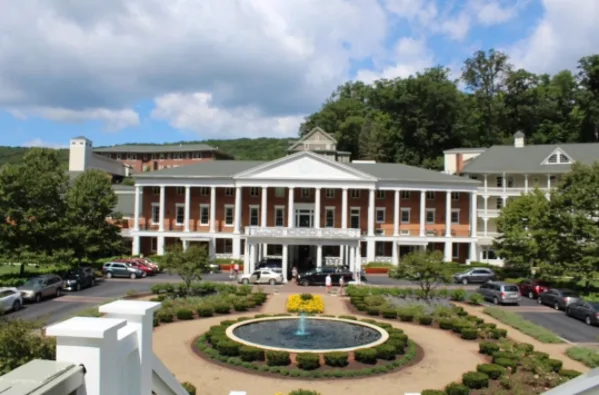
Bedford Springs is a resort complex in a narrow valley of the Allegheny Mountains, about a mile and a half south of Bedford, Pennsylvania. Its main hotel buildings date from about 1806 to 1903 and include the Colonial Building, a three-story Greek Revival hotel built between 1829 and 1842 to a design by local architect Solomon Filler. Seven mineral springs, including Magnesia and Sweet Spring, lie on the surrounding hillsides. The resort was developed by Dr. John Anderson in 1806 and drew guests from Washington, Baltimore and Philadelphia. Five presidents vacationed there, and James Buchanan used it as a summer White House from 1857 to 1861. In the 1900s the Pool Building added a mineral-water pool and hydrotherapy rooms. The district is considered significant for its well-preserved 19th century buildings and for its record of spa life and political gatherings in the antebellum period.
Machine-generated summary. This summary was generated by a language model from the official nomination document and has not been reviewed line by line by an editor. It may contain errors. Check the source document before relying on any detail. Source: nomination document (PDF) · catalog entry. Generated October 2026 (model claude-haiku-5-5, prompt v1.1-2026-10-29).
| Period of significance | c. 1806-1935 |
|---|---|
| Styles | Greek Revival, Italianate, Queen Anne/Eastlake, Colonial Revival |
| Areas of significance | Architecture, Politics/Government, Entertainment/Recreation |
| Acreage | 300 |
| Boundary source | NPS cultural-resource GIS polygon |
| Full listing page | Bedford Springs Hotel Historic District (property record) |
What listing means for this property
This is a historic district. Buildings within its boundary are either contributing (they add to the district's significance) or non-contributing. Owners of contributing income-producing buildings can claim the 20% federal rehabilitation tax credit; homeowners should look at state credits. National Register districts impose no design review by themselves; a local historic district ordinance, if one exists, does (the difference explained).
General information, not legal or tax advice. Rules change; confirm with your State Historic Preservation Office or a qualified adviser.