Beallsville Historic District

Why it's listed
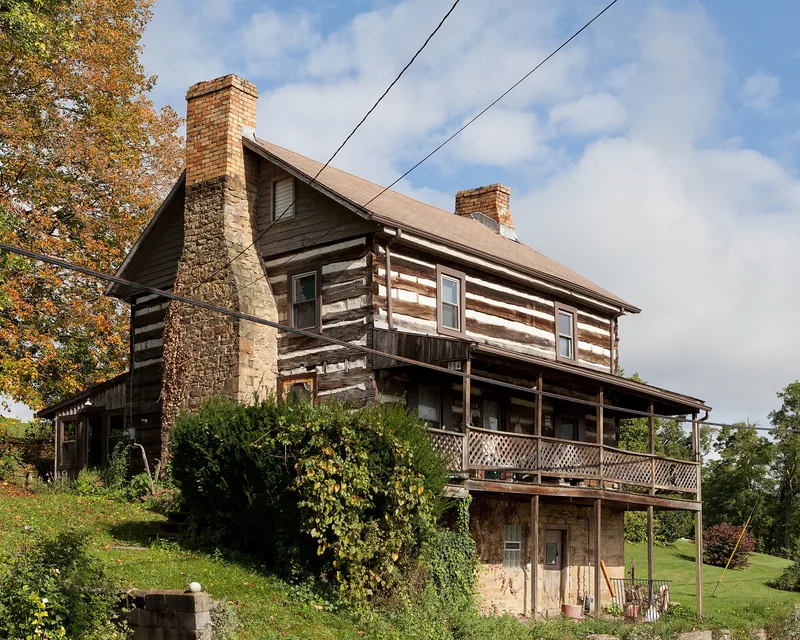
Beallsville is a pike town strung along the National Road in southwestern Pennsylvania, about 30 miles south of Pittsburgh. Most of its buildings date from the Golden Age of pike travel between 1818 and 1852, when taverns, stables, blacksmiths and a hotel served coaches, livestock drovers and Conestoga wagon teams. Greenfield Stand, built in 1821 at 2848 Main Street, became the National Hotel and was a well-known stop on the road. The Miller Tavern, built in the late 1820s, and a 1788 log house associated with town founder Zephaniah Beall also remain. The district is regarded as a representative example of a National Road pike town. Its later buildings include Italianate and Queen Anne houses, an 1872 bank, an 1895 brick school and Craftsman bungalows, and its milemarker is one of only 21 surviving on the Pennsylvania section of the road.
Machine-generated summary. This summary was generated by a language model from the official nomination document and has not been reviewed line by line by an editor. It may contain errors. Check the source document before relying on any detail. Source: nomination document (PDF) · catalog entry. Generated October 2026 (model claude-haiku-5-5, prompt v1.1-2026-10-29).
| Period of significance | 1788-1945 |
|---|---|
| Styles | Federal and Greek Revival; Italianate; Queen Anne; Bungalow/Craftsman |
| Areas of significance | Architecture, Commerce, Transportation |
| Acreage | 40 |
| Boundary source | NPS cultural-resource GIS polygon |
| Full listing page | Beallsville Historic District (property record) |
What listing means for this property
This is a historic district. Buildings within its boundary are either contributing (they add to the district's significance) or non-contributing. Owners of contributing income-producing buildings can claim the 20% federal rehabilitation tax credit; homeowners should look at state credits. National Register districts impose no design review by themselves; a local historic district ordinance, if one exists, does (the difference explained).
General information, not legal or tax advice. Rules change; confirm with your State Historic Preservation Office or a qualified adviser.