Barree Forge and Furnace

Why it's listed
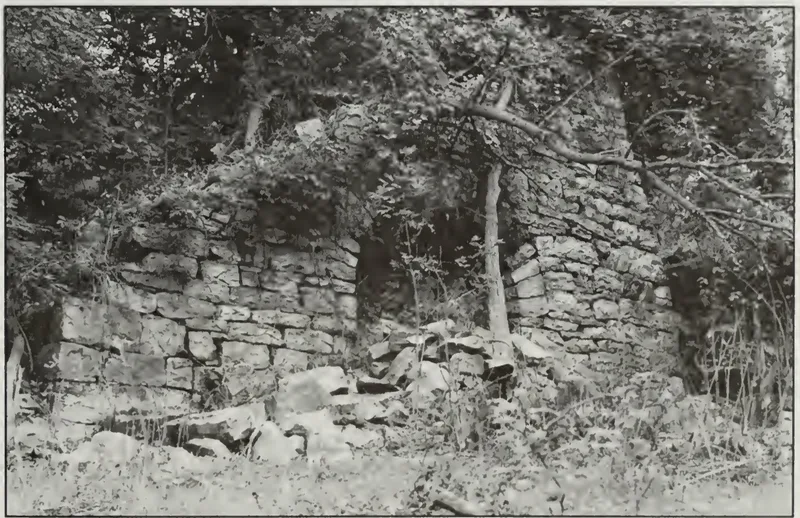
Barree Forge and Furnace is an iron plantation in northern Huntingdon County on the Little Juniata River near Alexandria, Pennsylvania. Edward Bartholomew of Philadelphia bought the land in 1795, and his son-in-law Greenberry Dorsey established the forge, which took its name from old Barree Township. The Dorsey family and their heirs operated the works until 1874, when it was sold to A.L. Mumper of Bethlehem. A furnace was added in 1864, and its limestone stack, now partly collapsed, survives. The surviving ironmaster's mansion, built in the 1830s, overlooks the site. The district is significant for its association with the iron industry and for its archaeological remains, including slag piles, depressions and the stone and concrete remains of a dam on McClain's Run, which can reveal the layout of a forge and its production process. Barree Forge was among the most productive ironworks in the Juniata Valley, and its iron contributed to the reputation of Juniata iron.
Machine-generated summary. This summary was generated by a language model from the official nomination document and has not been reviewed line by line by an editor. It may contain errors. Check the source document before relying on any detail. Source: nomination document (PDF) · catalog entry. Generated October 2026 (model claude-haiku-5-5, prompt v1.1-2026-10-29).
| Period of significance | c.1797-1885 |
|---|---|
| Areas of significance | Industry, Historic - Non-Aboriginal |
| Acreage | 8 |
| Boundary source | NPS cultural-resource GIS polygon |
| Full listing page | Barree Forge and Furnace (property record) |
What listing means for this property
This is a historic district. Buildings within its boundary are either contributing (they add to the district's significance) or non-contributing. Owners of contributing income-producing buildings can claim the 20% federal rehabilitation tax credit; homeowners should look at state credits. National Register districts impose no design review by themselves; a local historic district ordinance, if one exists, does (the difference explained).
General information, not legal or tax advice. Rules change; confirm with your State Historic Preservation Office or a qualified adviser.