Zoar Historic District

Why it's listed
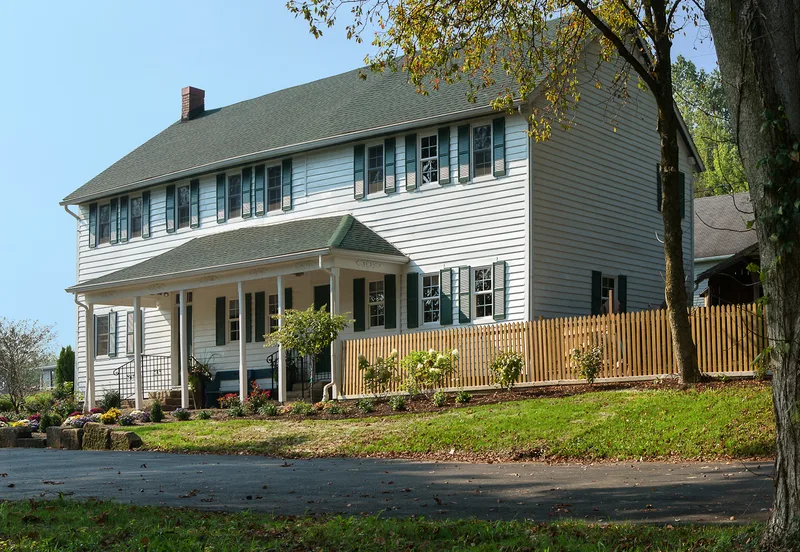
Zoar is a small village in Tuscarawas County, Ohio, laid out five streets long by five wide and still dominated by early and mid 19th century buildings. German Separatists founded it in 1817 as a religious community and soon adopted communal living to pay their land debts and secure their livelihoods. The settlement included a church, bakery, tin shop, blacksmith shop, pottery, mills, a brewery, an ornamental garden with greenhouse, and two hotels. Under Joseph Baumeler the society prospered, and its holdings were valued at more than a million dollars by his death in 1853. Later leaders abandoned his practice of reinvesting profits, and economic decline, fading idealism and internal dissension ended the society in 1898. Most buildings are half-timbered with rubble-filled walls, with some brick houses, four early log houses and a few red-tile roofs made in Zoar. The village was listed because its core survives nearly intact and shows European culture and architecture in Ohio.
Machine-generated summary. This summary was generated by a language model from the official nomination document and has not been reviewed line by line by an editor. It may contain errors. Check the source document before relying on any detail. Source: nomination document (PDF) · catalog entry. Generated October 2026 (model claude-sonnet-5-5, prompt v1.0-2026-10-29).
| Period of significance | 1817-1898 |
|---|---|
| Styles | Half-timbered with rubble-filled walls and wood siding; European (German) building traditions |
| Areas of significance | Landscape Architecture, Commerce, Agriculture, Art, Architecture, Religion |
| Boundary source | NPS cultural-resource GIS polygon |
| Full listing page | Zoar Historic District (property record) |
What listing means for this property
This is a historic district. Buildings within its boundary are either contributing (they add to the district's significance) or non-contributing. Owners of contributing income-producing buildings can claim the 20% federal rehabilitation tax credit; homeowners should look at state credits. National Register districts impose no design review by themselves; a local historic district ordinance, if one exists, does (the difference explained).
General information, not legal or tax advice. Rules change; confirm with your State Historic Preservation Office or a qualified adviser.