Watertown Historic District

Why it's listed
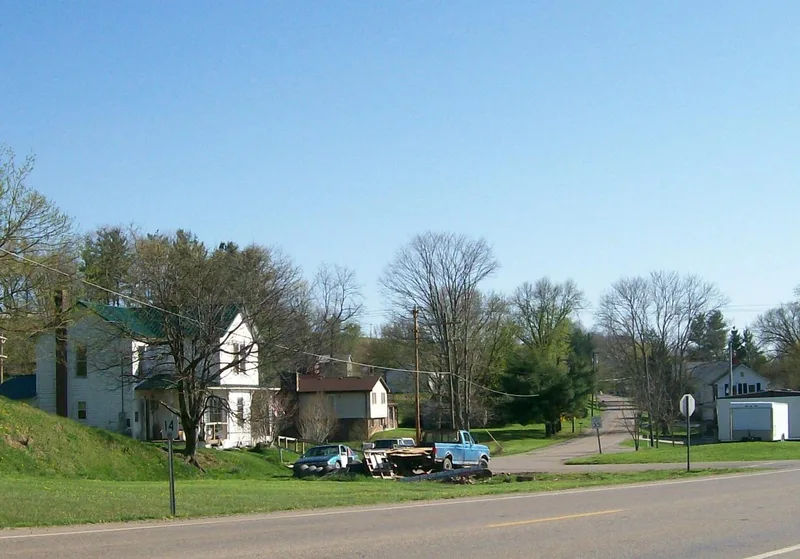
Watertown is a small rural village in Washington County, Ohio, whose historic core includes seventy-five buildings along Beverly, Franklin and Church Streets. Nearly all are white weatherboard wood frame structures, with only three of brick. Most date from the Civil War era to World War I and are plain vernacular in form. What sets the village apart is the lacy Eastlake porches, with sawn balustrades, turned posts, brackets and spindles, added to many houses in the early twentieth century by local carpenter-builders, notably Fred Schweikert. A burst of oil development around 1900 brought new homes, an Odd Fellows hall and a bank. Italianate, Colonial Revival and vernacular commercial buildings add variety. Sixty-five buildings contribute to the district's character, while ten, including trailer houses, ranch houses and township maintenance buildings, intrude. The village was recognized for its intact architecture and its picture of small-town Midwestern life before the First World War.
Machine-generated summary. This summary was generated by a language model from the official nomination document and has not been reviewed line by line by an editor. It may contain errors. Check the source document before relying on any detail. Source: nomination document (PDF) · catalog entry. Generated October 2026 (model claude-sonnet-5-5, prompt v1.0-2026-10-29).
| Period of significance | 1800-1899, 1900- (specific dates ca. 1850-1926) |
|---|---|
| Styles | Predominantly vernacular with Eastlake ornament; also Italianate and Colonial Revival examples |
| Areas of significance | Architecture |
| Acreage | 60 |
| Boundary source | NPS cultural-resource GIS polygon |
| Full listing page | Watertown Historic District (property record) |
What listing means for this property
This is a historic district. Buildings within its boundary are either contributing (they add to the district's significance) or non-contributing. Owners of contributing income-producing buildings can claim the 20% federal rehabilitation tax credit; homeowners should look at state credits. National Register districts impose no design review by themselves; a local historic district ordinance, if one exists, does (the difference explained).
General information, not legal or tax advice. Rules change; confirm with your State Historic Preservation Office or a qualified adviser.