Vistula Historic District

Why it's listed
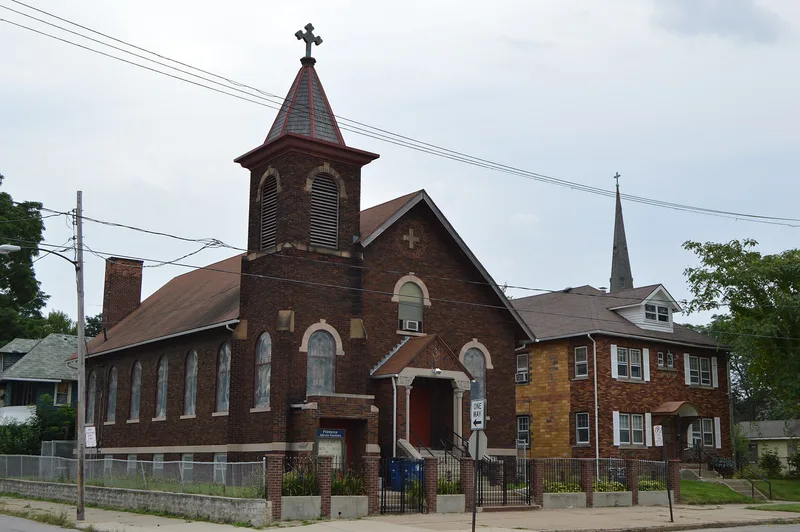
Vistula is a neighborhood in Toledo, Ohio, that preserves the city's earliest remaining mix of homes, shops, churches, schools and industry. Its buildings, mostly from the 19th century, range from Greek Revival to Italianate, Queen Anne and High Victorian Gothic, built of brick, cast iron, sandstone, limestone and wood. Commercial blocks along Summit Street, a hotel and a large brewery stand close to modest workers' houses, apartment buildings and the mansions of wealthy businessmen, showing the social and economic mix of the community. Cobbled pavements and carriage houses recall the era of horse-drawn transport. Landmarks include Westminster Church and Chapel, Salem Lutheran Church, St. Joseph's Church and the medieval-styled Undine Flats. A later statement extends the district's significance into the 1920s, when industrial, commercial and residential buildings of consistent brick and stone, scale and height continued the neighborhood's mixed-use pattern, including the Continental Baking Company building of 1924.
Machine-generated summary. This summary was generated by a language model from the official nomination document and has not been reviewed line by line by an editor. It may contain errors. Check the source document before relying on any detail. Source: nomination document (PDF) · catalog entry. Generated October 2026 (model claude-sonnet-5-5, prompt v1.0-2026-10-29).
| Period of significance | 1920-1928 |
|---|---|
| Styles | Greek Revival, Italianate, High Victorian Gothic, Queen Anne, Italian Villa, Commercial style |
| Areas of significance | Commerce, Exploration/Settlement, Architecture, Religion, Social History |
| Acreage | 114 |
| Boundary source | NPS cultural-resource GIS polygon |
| Full listing page | Vistula Historic District (property record) |
What listing means for this property
This is a historic district. Buildings within its boundary are either contributing (they add to the district's significance) or non-contributing. Owners of contributing income-producing buildings can claim the 20% federal rehabilitation tax credit; homeowners should look at state credits. National Register districts impose no design review by themselves; a local historic district ordinance, if one exists, does (the difference explained).
General information, not legal or tax advice. Rules change; confirm with your State Historic Preservation Office or a qualified adviser.