Near Northside Historic District

Why it's listed
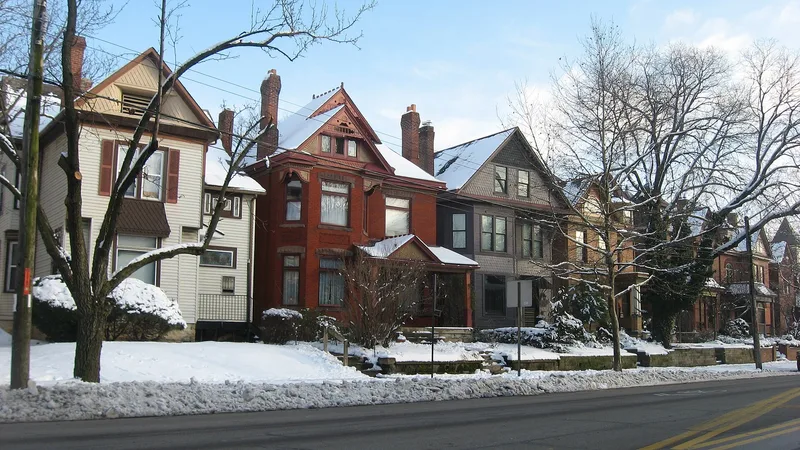
Northwest of downtown Columbus, this neighborhood of about 70 square blocks grew between 1870 and 1920 on former farmland belonging to the Neil, Hubbard and Starr families, whose names survive on local streets. Development centered on Goodale Park, Neil Avenue and the Dennison Park Addition, which includes landscaped circles and the Vermont Place ellipse. Most buildings are single or multiple family homes, with churches, schools and a few small commercial buildings mixed in. Styles include Italianate, Second Empire, Eastlake, Queen Anne and Richardsonian Romanesque, typically in brick or stone with turrets, corbelled chimneys and stained glass. Notable buildings include the Peter Sells House, designed by Frank Packard for a circus owner, Hubbard Avenue School and Everett Junior High School. The area was recognized for its consistent scale, materials and proportions, and for surviving as a well-preserved nineteenth century urban neighborhood, despite some modern apartment intrusions near Ohio State University.
Machine-generated summary. This summary was generated by a language model from the official nomination document and has not been reviewed line by line by an editor. It may contain errors. Check the source document before relying on any detail. Source: nomination document (PDF) · catalog entry. Generated October 2026 (model claude-sonnet-5-5, prompt v1.0-2026-10-29).
| Period of significance | 1800-1899, 1900- |
|---|---|
| Styles | Italianate, Second Empire, Eastlake, Queen Anne, Shingle Style and Richardsonian Romanesque, plus vernacular buildings |
| Areas of significance | Landscape Architecture, Architecture |
| Acreage | 500 |
| Boundary source | NPS cultural-resource GIS polygon |
| Full listing page | Near Northside Historic District (property record) |
What listing means for this property
This is a historic district. Buildings within its boundary are either contributing (they add to the district's significance) or non-contributing. Owners of contributing income-producing buildings can claim the 20% federal rehabilitation tax credit; homeowners should look at state credits. National Register districts impose no design review by themselves; a local historic district ordinance, if one exists, does (the difference explained).
General information, not legal or tax advice. Rules change; confirm with your State Historic Preservation Office or a qualified adviser.