Jaite Mill Historic District

Why it's listed
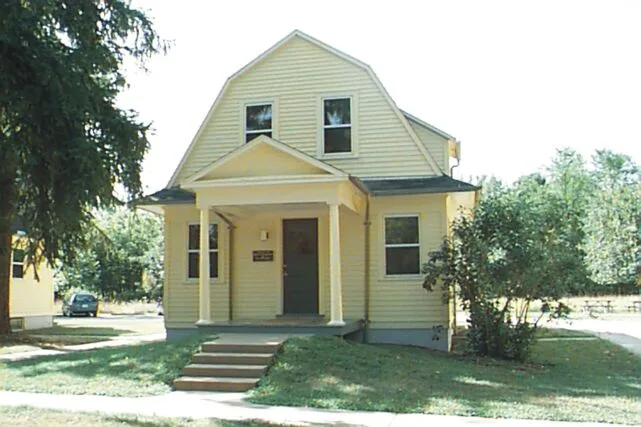
Jaite was a small company town on Riverview and Vaughn Roads in rural Brecksville, built to serve a paper mill just across the Cuyahoga River in Northfield Township. Charles H. Jaite founded the Jaite Company in 1905, and the mill was built in 1905-1906 from concrete blocks made on site with sand dredged from the river. The company added five two-family houses in 1906 and four single-family houses in 1917, along with a combined company store and post office. Three small railroad buildings, a passenger station, freight station and privy, date from 1903, when the stop was called Vaughn. Jaite was never incorporated. The district counted eleven buildings and is described as one of Cuyahoga County's few company towns. The mill later changed hands several times and was remodeled around 1930. A fire destroyed it in 1992. The mill site remains part of the district because it may hold historic archeological information.
Machine-generated summary. This summary was generated by a language model from the official nomination document and has not been reviewed line by line by an editor. It may contain errors. Check the source document before relying on any detail. Source: nomination document (PDF) · catalog entry. Generated October 2026 (model claude-sonnet-5-5, prompt v1.0-2026-10-29).
| Period of significance | 1900- (specific dates 1903; 1905-1906; 1917) |
|---|---|
| Styles | Bungalow, Classic Revival, Queen Anne Eclectic and Classic Eclectic details on the houses and store |
| Areas of significance | Industry |
| Acreage | 30 |
| Boundary source | NPS cultural-resource GIS polygon |
| Full listing page | Jaite Mill Historic District (property record) |
What listing means for this property
This is a historic district. Buildings within its boundary are either contributing (they add to the district's significance) or non-contributing. Owners of contributing income-producing buildings can claim the 20% federal rehabilitation tax credit; homeowners should look at state credits. National Register districts impose no design review by themselves; a local historic district ordinance, if one exists, does (the difference explained).
General information, not legal or tax advice. Rules change; confirm with your State Historic Preservation Office or a qualified adviser.