Huffman Historic District

Why it's listed
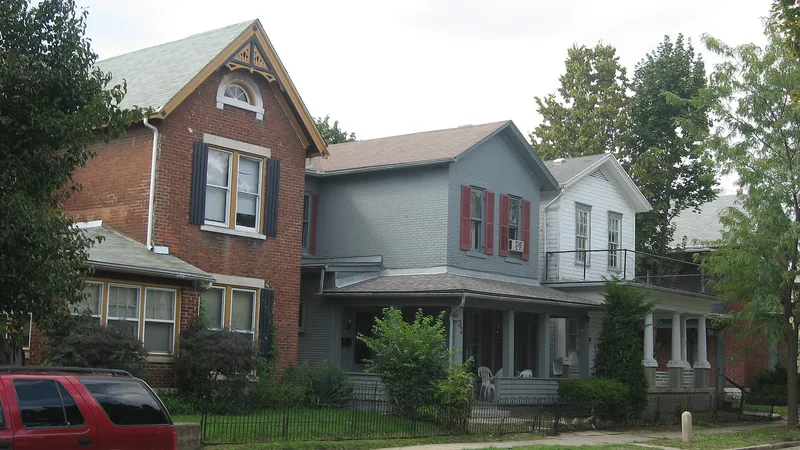
Huffman Historic District is an 85-acre neighborhood on Dayton's Inner East Side, annexed to the city in 1868 and built up mostly during the 1870s and 1880s. The arrival of the Third Street Railway in 1869 spurred its growth. Banker and real estate developer William P. Huffman platted much of the area, built homes there for his children and donated land for a church and for Huffman School, built in 1875 and described as the oldest elementary school building in Dayton. The district holds a broad range of Victorian architecture, including Italianate villas, Queen Anne and Eastlake houses, a Second Empire residence and modest vernacular cottages once occupied by craftsmen and artisans. Linden Avenue contains the grandest homes, while streets such as Bell and Centre hold smaller workers' houses. Although many buildings have been altered, most could be restored. The district was listed because it offers Dayton's best surviving cross-section of late nineteenth-century housing across social classes.
Machine-generated summary. This summary was generated by a language model from the official nomination document and has not been reviewed line by line by an editor. It may contain errors. Check the source document before relying on any detail. Source: nomination document (PDF) · catalog entry. Generated October 2026 (model claude-sonnet-5-5, prompt v1.0-2026-10-29).
| Period of significance | 1868-1900 |
|---|---|
| Styles | Victorian-era residential styles including Italianate, Queen Anne, Eastlake, Second Empire, Shingle and High Victorian Gothic, plus vernacular workers' housing |
| Areas of significance | Community Planning and Development, Architecture |
| Acreage | 85 |
| Boundary source | NPS cultural-resource GIS polygon |
| Full listing page | Huffman Historic District (property record) |
What listing means for this property
This is a historic district. Buildings within its boundary are either contributing (they add to the district's significance) or non-contributing. Owners of contributing income-producing buildings can claim the 20% federal rehabilitation tax credit; homeowners should look at state credits. National Register districts impose no design review by themselves; a local historic district ordinance, if one exists, does (the difference explained).
General information, not legal or tax advice. Rules change; confirm with your State Historic Preservation Office or a qualified adviser.