Hocking Valley Railway Historic District

Why it's listed
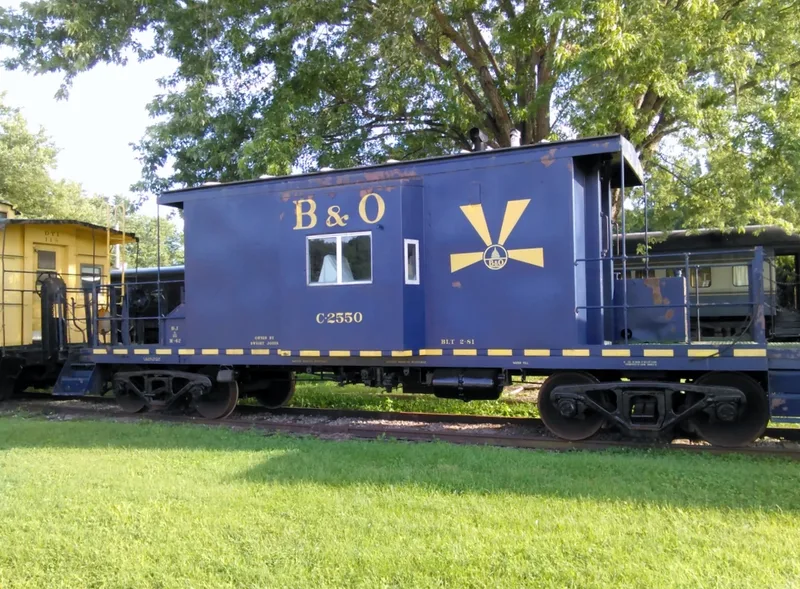
This 13-mile railroad corridor runs along the Hocking River valley between Logan and Nelsonville, Ohio. Built in 1869-70 and later upgraded to high design standards between 1900 and 1925, it includes steel track laid in the 1910s and 1920s, original Hocking Valley switchstands marked with the "HV" insignia, and a double-span steel girder bridge over the river at Logan built in 1905. At Logan stand a brick baggage room from 1910 in Second Empire style, a small wooden freight station, and several railway sheds. Across the tracks is a car shop complex of glazed brick buildings from 1907-08, where the railway built many of its own cars. The listing rests on the line's role in carrying mineral products out of the region, its engineering, and the unusually intact track, bridges and right-of-way. Today the route is used as a scenic tourist railway.
Machine-generated summary. This summary was generated by a language model from the official nomination document and has not been reviewed line by line by an editor. It may contain errors. Check the source document before relying on any detail. Source: nomination document (PDF) · catalog entry. Generated October 2026 (model claude-sonnet-5-5, prompt v1.0-2026-10-29).
| Styles | Late Victorian/Second Empire; No Style |
|---|---|
| Areas of significance | Industry, Engineering, Transportation, Architecture |
| Acreage | 162.4 |
| Boundary source | NPS cultural-resource GIS polygon |
| Full listing page | Hocking Valley Railway Historic District (property record) |
What listing means for this property
This is a historic district. Buildings within its boundary are either contributing (they add to the district's significance) or non-contributing. Owners of contributing income-producing buildings can claim the 20% federal rehabilitation tax credit; homeowners should look at state credits. National Register districts impose no design review by themselves; a local historic district ordinance, if one exists, does (the difference explained).
General information, not legal or tax advice. Rules change; confirm with your State Historic Preservation Office or a qualified adviser.