Glen Echo Historic District

Why it's listed
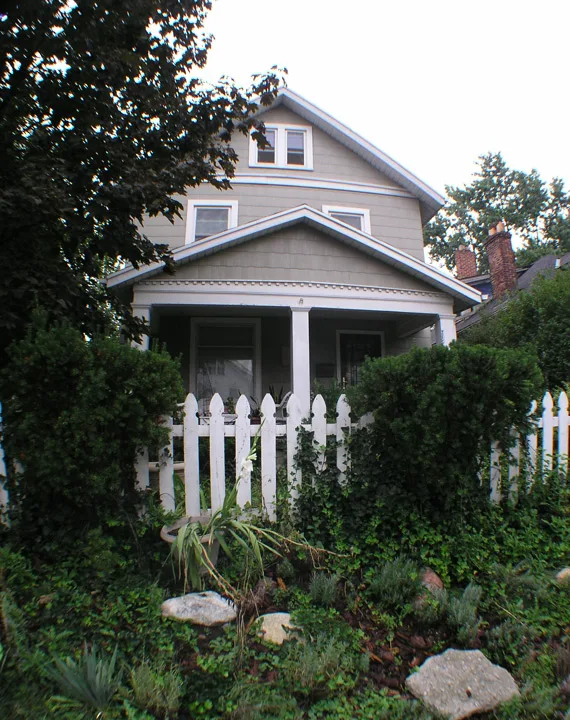
Glen Echo is a planned residential neighborhood of about 47 acres on Columbus' north side, platted in 1909 and annexed to the city in 1910. A single firm, the Columbus Real Estate and Improvement Co., acquired, platted and marketed the land. Most building took place between 1910 and 1923, though contributing houses continued to appear until 1943. The wooded Glen Echo ravine shaped the layout. Curving streets and alleys, three landscaped ellipses, a cul-de-sac and cut limestone curbs depart from the city's grid. Stone stanchions serve as light posts and street markers. A 3.9-acre city park, dedicated in 1912, forms the northern edge, spanned by the 1914 Indianola Avenue Bridge. The district holds 390 contributing buildings, including 218 single, 45 double and 5 multi-family dwellings plus 173 garages. Styles include Craftsman, Shingle, Tudor Revival and Colonial Revival, with bungalows and Four-Squares. Deed restrictions set minimum values and setbacks, giving the streets a consistent character.
Machine-generated summary. This summary was generated by a language model from the official nomination document and has not been reviewed line by line by an editor. It may contain errors. Check the source document before relying on any detail. Source: nomination document (PDF) · catalog entry. Generated October 2026 (model claude-sonnet-5-5, prompt v1.0-2026-10-29).
| Styles | Late 19th and early 20th century American Movements: Craftsman; Late Victorian: Shingle Style; Tudor Revival; Colonial Revival; also Gable End House, Dormer-front Bungalow, American Four-Square, Side Gabled House, Gabled Ell variation |
|---|---|
| Areas of significance | Community Planning and Development, Architecture, Landscape Architecture |
| Acreage | 47 |
| Boundary source | NPS cultural-resource GIS polygon |
| Full listing page | Glen Echo Historic District (property record) |
What listing means for this property
This is a historic district. Buildings within its boundary are either contributing (they add to the district's significance) or non-contributing. Owners of contributing income-producing buildings can claim the 20% federal rehabilitation tax credit; homeowners should look at state credits. National Register districts impose no design review by themselves; a local historic district ordinance, if one exists, does (the difference explained).
General information, not legal or tax advice. Rules change; confirm with your State Historic Preservation Office or a qualified adviser.