Duffy, Michael, Farm

Why it's listed
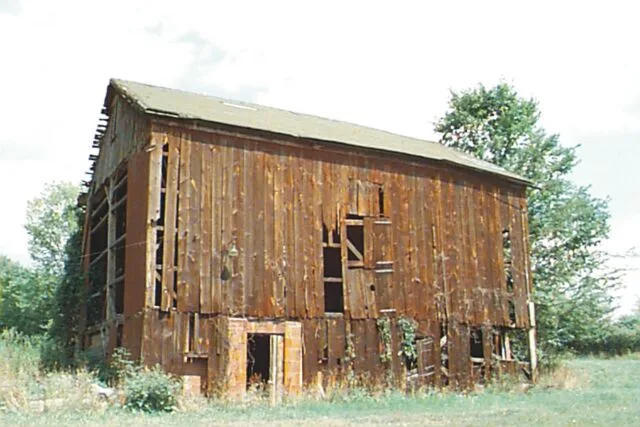
This farmstead on Quick Road in Boston Township, near Peninsula, Ohio, preserves the buildings of a small Cuyahoga Valley farm. Michael and Mary Duffy bought the land in 1861 and finished their Gabled Ell farmhouse in 1872, adding a three-bay bank barn in 1882. The surviving outbuildings include a fruit stand, a toolshed, a poultry house and two privies, set among fields and old fruit trees. Six buildings and one site contribute to the 23-acre district; a 1936 Cape Cod house built by later owners does not. The farm reflects the period when the Valley Railroad, opened in 1880, gave local farmers access to growing markets in Akron and Cleveland, encouraging orchards, truck farming and dairying. Architecturally, the house shows Folk Victorian spindlework on its porch, and the outbuildings use mass-produced drop siding typical of the late nineteenth century. Farming ended in 1960, and the National Park Service acquired the property in 1975.
Machine-generated summary. This summary was generated by a language model from the official nomination document and has not been reviewed line by line by an editor. It may contain errors. Check the source document before relying on any detail. Source: nomination document (PDF) · catalog entry. Generated October 2026 (model claude-sonnet-5-5, prompt v1.0-2026-10-29).
| Period of significance | 1872 - 1930 |
|---|---|
| Styles | Late Victorian; Folk Victorian; Gabled Ell |
| Areas of significance | Agriculture, Architecture |
| Acreage | 23 |
| Boundary source | NPS cultural-resource GIS polygon |
| Full listing page | Duffy, Michael, Farm (property record) |
What listing means for this property
This is a historic district. Buildings within its boundary are either contributing (they add to the district's significance) or non-contributing. Owners of contributing income-producing buildings can claim the 20% federal rehabilitation tax credit; homeowners should look at state credits. National Register districts impose no design review by themselves; a local historic district ordinance, if one exists, does (the difference explained).
Noted as vacant in the nomination. Nomination documents can be decades old; current status may differ. If you are considering buying an empty listed property, read the due-diligence checklist.
General information, not legal or tax advice. Rules change; confirm with your State Historic Preservation Office or a qualified adviser.