Cranz, William and Eugene, Farm

Why it's listed
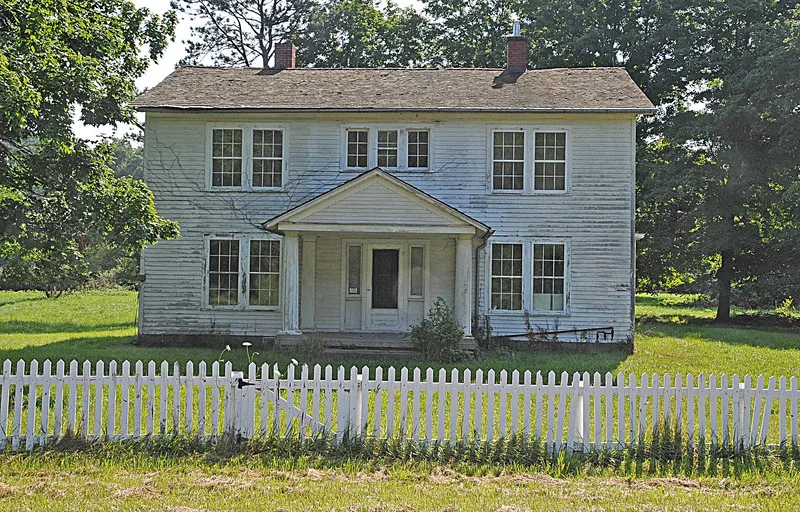
Set along Ira Road in Bath Township, this farm district covers about 41 acres of open fields, farm buildings and the historic Ira Cemetery. The farmhouse dates to the 1830s, when Lewis Hammond, son of an early valley settler, introduced Shorthorn cattle and Merino sheep to the area. William F. Cranz bought the farm in 1864 and built a bank barn in 1885. His son Eugene F. Cranz later became known for conservation work, promoting reforestation, fencing livestock out of woodlots and exchanging nut tree grafts; a hickory variety bears his name. His farm was dedicated Ohio Tree Farm Number 81 in 1949. The property includes a Sweitzer forebay barn, a second bank barn, a carriage house, chicken house, cider house and smokehouse. The house was remodeled in the 1920s with Craftsman and Prairie-influenced features such as paired windows and large porch columns. The farm is listed for its agricultural history, its association with Eugene Cranz and its architecture.
Machine-generated summary. This summary was generated by a language model from the official nomination document and has not been reviewed line by line by an editor. It may contain errors. Check the source document before relying on any detail. Source: nomination document (PDF) · catalog entry. Generated October 2026 (model claude-sonnet-5-5, prompt v1.0-2026-10-29).
| Period of significance | 1860-1930 |
|---|---|
| Styles | Late 19th and Early 20th Century American Movements: Bungalow/Craftsman |
| Areas of significance | Agriculture, Architecture |
| Acreage | 41.3 |
| Boundary source | NPS cultural-resource GIS polygon |
| Full listing page | Cranz, William and Eugene, Farm (property record) |
What listing means for this property
This is a historic district. Buildings within its boundary are either contributing (they add to the district's significance) or non-contributing. Owners of contributing income-producing buildings can claim the 20% federal rehabilitation tax credit; homeowners should look at state credits. National Register districts impose no design review by themselves; a local historic district ordinance, if one exists, does (the difference explained).
General information, not legal or tax advice. Rules change; confirm with your State Historic Preservation Office or a qualified adviser.