Anna-Dean Farm

Why it's listed
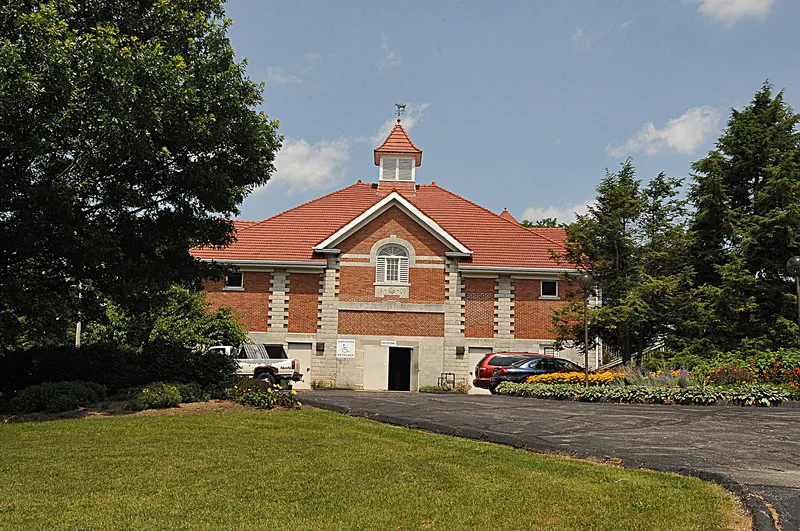
Anna Dean Farm was once a 3,500 acre estate southeast of Barberton, Ohio, laid out by Michael Alexander for match manufacturer Ohio Columbus Barber. Construction ran from about 1899 to 1915 and produced 102 buildings, a forty room mansion and 17 acres of greenhouses, at a cost of more than three million dollars. The farm had fifteen departments, including dairy, horses, pigs, poultry and greenhouses. Most of it has been lost to housing and shopping developments. This district groups twelve surviving pieces: Barn No. 1, the Creamery, the Colt Barn, the Machine Barn, the Piggery, poultry buildings, and two greenhouse areas. The buildings share red tile roofs, brick, and concrete block, with silos, dormers and cupolas. The nomination presents them as evidence of Barber's effort to build a model farm combining efficient, modern methods with distinctive architecture. The farm lost money and ended with Barber's death in 1920, but the remnants mark a notable chapter in Ohio agricultural and architectural history.
Machine-generated summary. This summary was generated by a language model from the official nomination document and has not been reviewed line by line by an editor. It may contain errors. Check the source document before relying on any detail. Source: nomination document (PDF) · catalog entry. Generated October 2026 (model claude-sonnet-5-5, prompt v1.0-2026-10-29).
| Period of significance | 1905-1915 |
|---|---|
| Styles | Combination of French Colonial and O. C. Barber's own design |
| Areas of significance | Architecture, Agriculture |
| Acreage | 33 |
| Boundary source | NPS cultural-resource GIS polygon |
| Full listing page | Anna-Dean Farm (property record) |
What listing means for this property
This is a historic district. Buildings within its boundary are either contributing (they add to the district's significance) or non-contributing. Owners of contributing income-producing buildings can claim the 20% federal rehabilitation tax credit; homeowners should look at state credits. National Register districts impose no design review by themselves; a local historic district ordinance, if one exists, does (the difference explained).
General information, not legal or tax advice. Rules change; confirm with your State Historic Preservation Office or a qualified adviser.