Washington Mills-Mayodan Plant

Why it's listed
Textile production began on this ten-acre site beside the Mayo River in Mayodan in 1895, when Mayo Mills was built to spin cotton yarn. The company was organized by Francis H. Fries with investors including Washington Duke, and it began operating in April 1896 with two water wheels fed by a two-thirds-mile canal. The complex later became Washington Mills, then Tultex, and closed in 1999. Two large brick mills remain: the 1895 spinning mill, expanded between 1897 and 1954, and the 1911 knitting mill, extended three times between 1931 and 1941. Both use heavy timber framing, segmental-arch windows and little ornament. A boiler room, engine house, warehouses and other support buildings complete the group. The nomination treats the plant as an example of North Carolina's late nineteenth-century industrial growth, which depended on railroads and the idea that manufacturing could replace farming as the state's economic base. The mill also prompted the founding of Mayodan as a company town.
Machine-generated summary. This summary was generated by a language model from the official nomination document and has not been reviewed line by line by an editor. It may contain errors. Check the source document before relying on any detail. Source: nomination document (PDF) · catalog entry. Generated October 2026 (model claude-sonnet-5-5, prompt v1.0-2026-10-29).
| Period of significance | 1895-1954 |
|---|---|
| Styles | Late 19th and Early 20th Century American Movements: Heavy Timber Mill Construction |
| Areas of significance | Industry |
| Acreage | 10.8 |
| Boundary source | NPS cultural-resource GIS polygon |
| Full listing page | Washington Mills-Mayodan Plant (property record) |
What listing means for this property
This is a historic district. Buildings within its boundary are either contributing (they add to the district's significance) or non-contributing. Owners of contributing income-producing buildings can claim the 20% federal rehabilitation tax credit; homeowners should look at state credits. National Register districts impose no design review by themselves; a local historic district ordinance, if one exists, does (the difference explained).
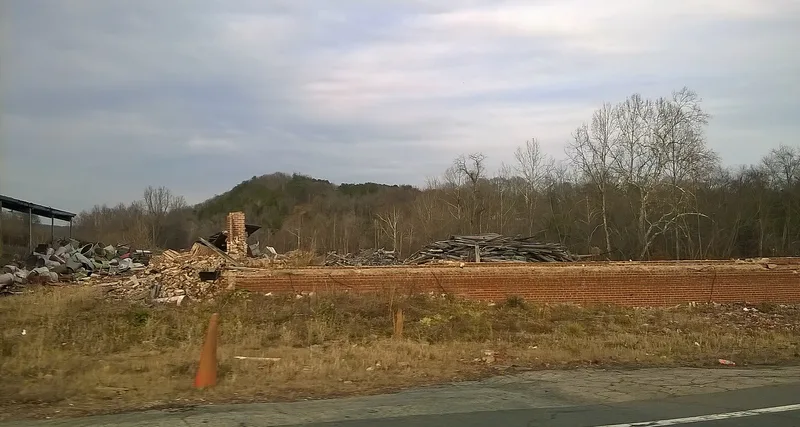
Noted as vacant in the nomination. Nomination documents can be decades old; current status may differ. If you are considering buying an empty listed property, read the due-diligence checklist.
General information, not legal or tax advice. Rules change; confirm with your State Historic Preservation Office or a qualified adviser.