Walnut Hill Historic District

Why it's listed
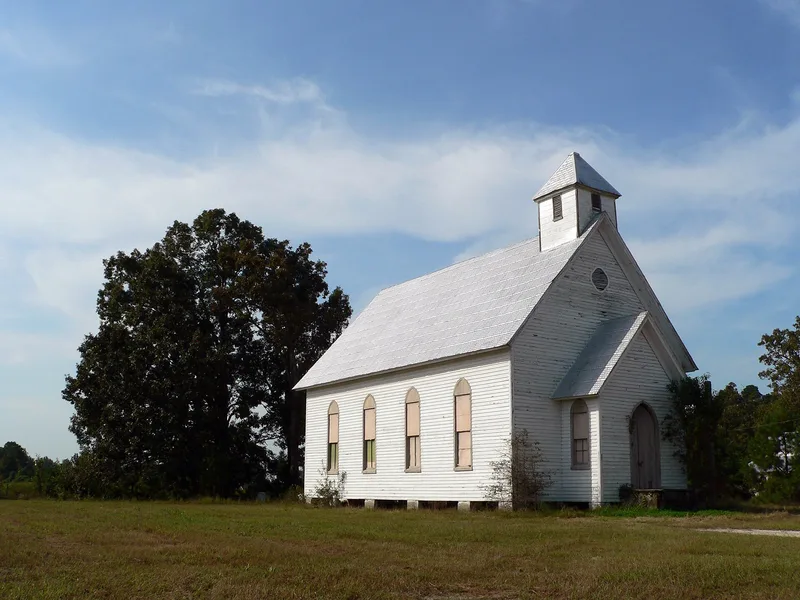
Two large farm complexes along Mial Plantation Road near Shotwell, in southeastern Wake County, make up this district of roughly 157 acres. The Mial-Williamson Farm and the Joseph Blake Farm were once part of Walnut Hill Plantation, founded in the late eighteenth century and held by related Mial, Price, Blake and Williamson families for six generations. The district includes tenant houses, tobacco barns, packhouses, fields and woodlands, along with community buildings. Oaky Grove Methodist Church, built about 1876-1877 with pointed-arch openings, is one of the earliest Gothic Revival churches in the county. Frog Pond Academy, a two-room 1860s plantation schoolhouse, later served as a tenant dwelling and, from 1940 to 1952, as an office for an agricultural experiment station studying soil conservation on tobacco land. The Blake Farm keeps a mid-nineteenth-century office and a notable group of domestic outbuildings. Together they document a working agricultural community from the post-Civil War era to the mid-twentieth century.
Machine-generated summary. This summary was generated by a language model from the official nomination document and has not been reviewed line by line by an editor. It may contain errors. Check the source document before relying on any detail. Source: nomination document (PDF) · catalog entry. Generated October 2026 (model claude-sonnet-5-5, prompt v1.0-2026-10-29).
| Styles | Gothic Revival; Late Victorian; No style |
|---|---|
| Areas of significance | Architecture, Agriculture |
| Acreage | 157 |
| Boundary source | NPS cultural-resource GIS polygon |
| Full listing page | Walnut Hill Historic District (property record) |
What listing means for this property
This is a historic district. Buildings within its boundary are either contributing (they add to the district's significance) or non-contributing. Owners of contributing income-producing buildings can claim the 20% federal rehabilitation tax credit; homeowners should look at state credits. National Register districts impose no design review by themselves; a local historic district ordinance, if one exists, does (the difference explained).
General information, not legal or tax advice. Rules change; confirm with your State Historic Preservation Office or a qualified adviser.