Thrift Mill, Former

Why it's listed
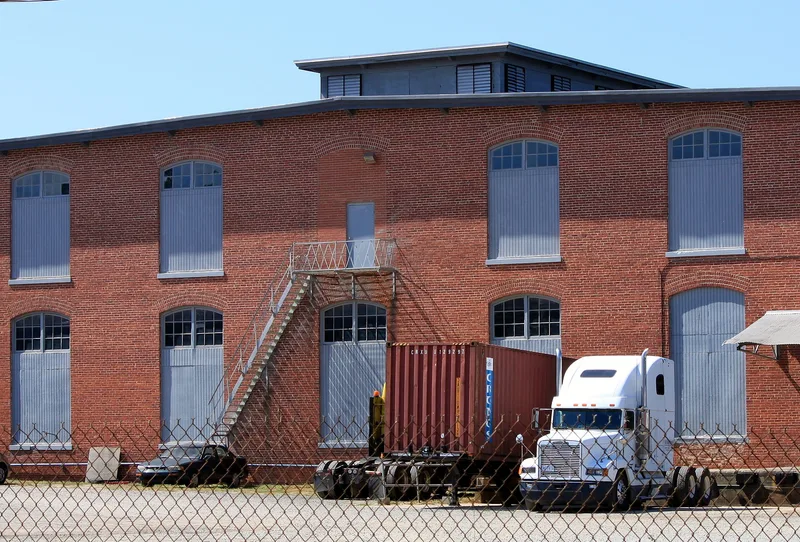
Thrift Mill is a former cotton textile complex in the small rural community of Thrift, about six miles west of Charlotte. Built in 1912-1913 beside the Piedmont and Northern electric railway, it was laid out around rail shipping and receiving rather than the road. The brick Main Building and Weave Department, joined by an infill around 1924, form its core. Sawtooth monitors, steel columns, I-beam rafters and segmental arch windows illustrate factory design of the period. Ancillary structures include a reservoir, two water towers and a pump house that supplied the sprinkler system. A mill village of frame dwellings lay to the west. The Thrift Manufacturing Company ran the mill for only twelve years, making print cloth, yet by 1915 it had 26,000 spindles and 157 employees, making it one of the county's major producers. The complex was recognized for its role in the Piedmont textile industry. Later additions, a warehouse with heavy alterations and a modern substation are counted as noncontributing, while the site layout remains largely intact.
Machine-generated summary. This summary was generated by a language model from the official nomination document and has not been reviewed line by line by an editor. It may contain errors. Check the source document before relying on any detail. Source: nomination document (PDF) · catalog entry. Generated October 2026 (model claude-sonnet-5-5, prompt v1.0-2026-10-29).
| Period of significance | 1912-1944 |
|---|---|
| Styles | Other: Functional Industrial |
| Areas of significance | Industry |
| Acreage | 16 |
| Boundary source | NPS cultural-resource GIS polygon |
| Full listing page | Thrift Mill, Former (property record) |
What listing means for this property
This is a historic district. Buildings within its boundary are either contributing (they add to the district's significance) or non-contributing. Owners of contributing income-producing buildings can claim the 20% federal rehabilitation tax credit; homeowners should look at state credits. National Register districts impose no design review by themselves; a local historic district ordinance, if one exists, does (the difference explained).
Noted as vacant in the nomination. Nomination documents can be decades old; current status may differ. If you are considering buying an empty listed property, read the due-diligence checklist.
General information, not legal or tax advice. Rules change; confirm with your State Historic Preservation Office or a qualified adviser.